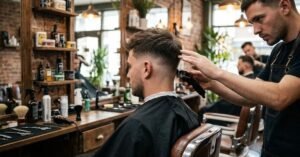
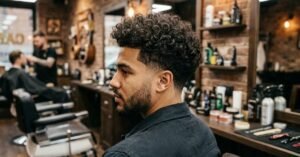
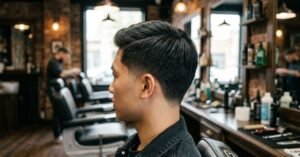
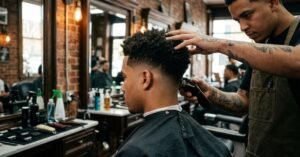
Wavy hair is hard to cut well. Leave the sides too bulky and your head looks wide and puffy. Cut it too short and the waves flatten out or disappear.
A low taper fade fixes most of these problems. It trims the sides and neckline neatly while leaving your natural waves intact on top. That is why barbers recommend it so often, and why it suits everyone from students to office workers.
Below you will find 12 styles, a guide to choosing one, exactly what to tell your barber, and how to keep the cut sharp between visits.
What Is a Low Taper Fade?
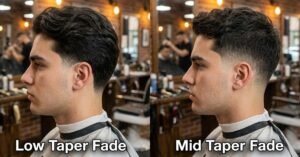
A low taper fade is a haircut where the hair on the sides and back gets gradually shorter, starting low near the sideburns, the ears, and the nape of the neck. The top stays longer, so the contrast is soft and subtle.
Here is how it differs from similar cuts:
- Low taper vs. mid or high taper: The fade starts lower, so more length stays on the sides.
- Taper vs. skin fade: A taper usually leaves a little hair at the bottom. A skin fade goes down to bare skin.
- Low fade vs. low taper fade: A low fade often blends more dramatically. A taper stays cleaner and more conservative.
The blend usually begins about an inch above the ear and follows the hairline around to the neck. Barbers often use clipper guards from #3 down to #1, though the exact numbers depend on the barber and the client.
Why Wavy Hair and This Cut Go Together
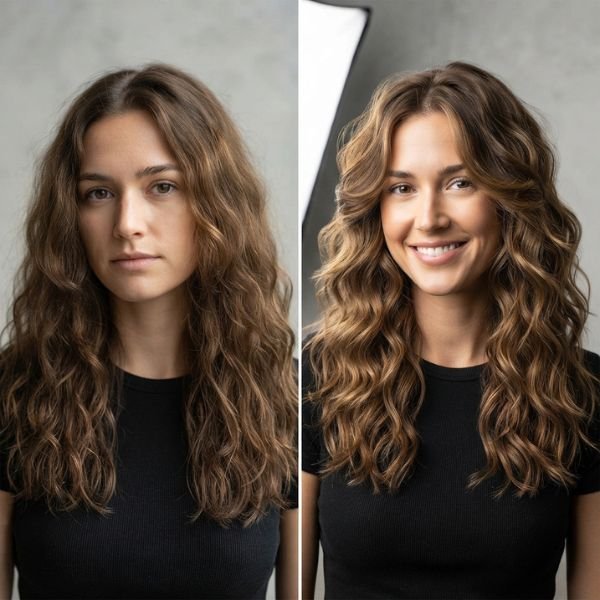
Waves need weight and length to show their shape. They also need controlled sides. A low taper handles both jobs.
Here is why the pairing works:
- It removes bulk where it hurts most. Wavy hair expands sideways. Tapering around the ears stops the “mushroom” or triangle shape.
- It keeps length where waves need it. The top stays long enough for the S-pattern to form.
- It grows out gracefully. A low taper does not have a harsh line, so it looks neat for weeks.
- It works for many wave types. Loose 2A waves, defined 2B waves, and thicker 2C waves can all suit it with small adjustments.
- It looks intentional. Even messy waves look polished when the edges are clean.
12 Best Low Taper Fade Styles for Wavy Hair
Classic Wavy Low Taper Fade

This is the safe, all-purpose choice. Keep about 3 to 4 inches on top, blend the sides low, and let the waves fall naturally or sweep them slightly back.
Use a light styling cream on damp hair. It adds shape without making the waves stiff. Barbers often suggest this version for first-timers.
Textured Wavy Low Taper Fade

Here the top is cut with scissors and point-cutting to create movement and separation. The result is visible texture instead of a solid mass of hair.
Style it with a matte texturizing paste or sea salt spray. Scrunch it in, then let it dry. This version suits thin to medium hair that needs extra body.
Read more: Low Taper Fade Without Beard: Styles, Tips and Everything You Need to Know
Messy Wavy Low Taper Fade

This is the “woke up like this” look, but a good one. The sides stay clean while the top looks tousled and relaxed.
Air-dry after applying a little sea salt spray. Rough it up with your fingers. The tapered edges keep the mess from looking sloppy.
Short Wavy Low Taper Fade
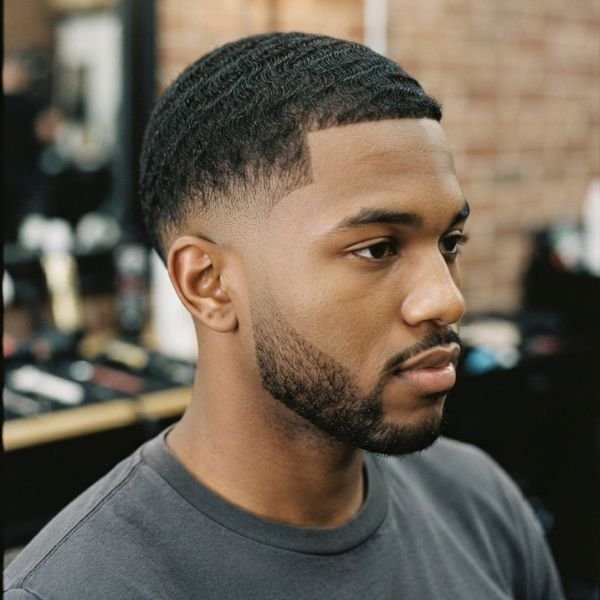
Keep the top around 1.5 to 2.5 inches. It is easy to manage and quick to style, and the waves still show as soft ripples.
Short cuts show grow-out faster, so plan on frequent tidy-ups. Ask your barber to use scissors on top instead of clippers, which keeps the wave pattern intact.
Long Wavy Low Taper Fade

This one is for hair 5 inches or longer. The top can be tucked behind the ears, worn loose, or pulled half up, while the sides stay clean.
The taper removes the bulk around your ears, which is often the messiest part of long hair. Use a leave-in conditioner to keep the length soft and frizz-free.
Wavy Fringe Low Taper Fade
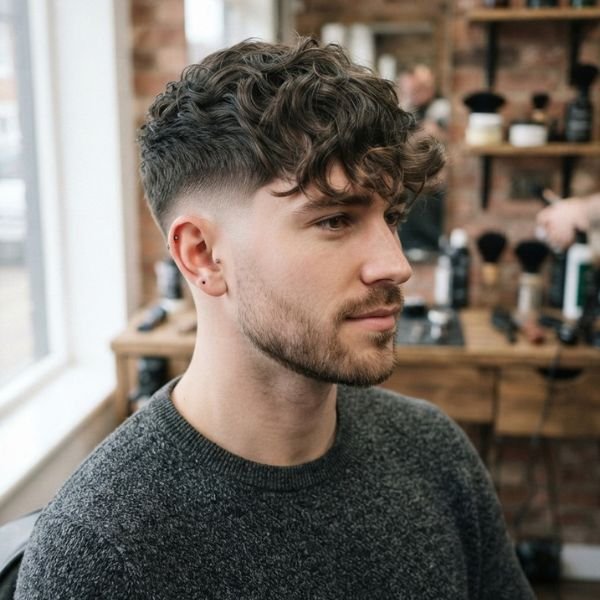
Here the front is longer and falls forward over the forehead, with 2 to 3 inches at the front. It gives a relaxed, youthful look and helps balance a taller forehead.
Ask for the fringe to be cut slightly uneven so it moves naturally. Use a pinch of light paste to keep it from falling into your eyes.
Side Part Wavy Low Taper Fade
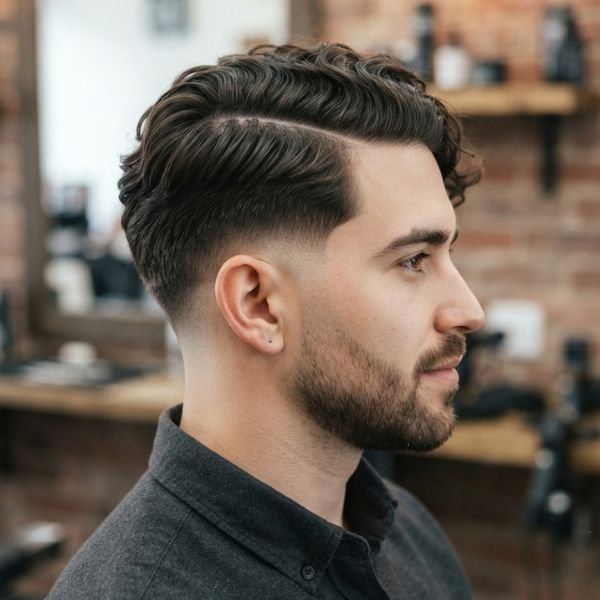
A side part gives structure. Comb the top to one side, and the taper makes the parting look sharp and deliberate.
Pick a light pomade or cream for a soft hold. A hard, shaved part is optional and looks best on hair that is not too thick.
Middle Part Wavy Low Taper Fade

The middle part lets waves fall evenly on both sides, giving a curtain effect. It is a popular pick for looser waves (2A and 2B).
Check your front hairline first. A strong cowlick can push the hair away from the center, so tell your barber about it before the cut.
Fluffy Wavy Low Taper Fade
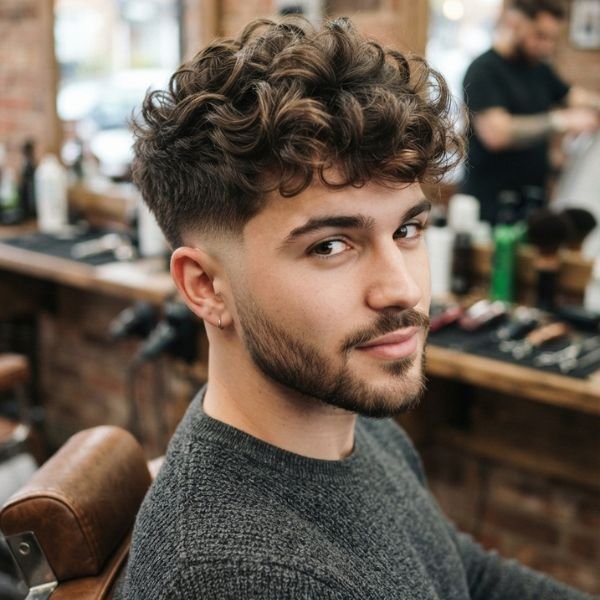
This style is all about volume. The top stays airy and lifted, while the neat taper keeps it looking sharp rather than wild.
Apply mousse to damp hair, then blow-dry with a diffuser or on low heat. Volume adds height, which can help round or square faces look a little longer.
Professional Wavy Low Taper Fade
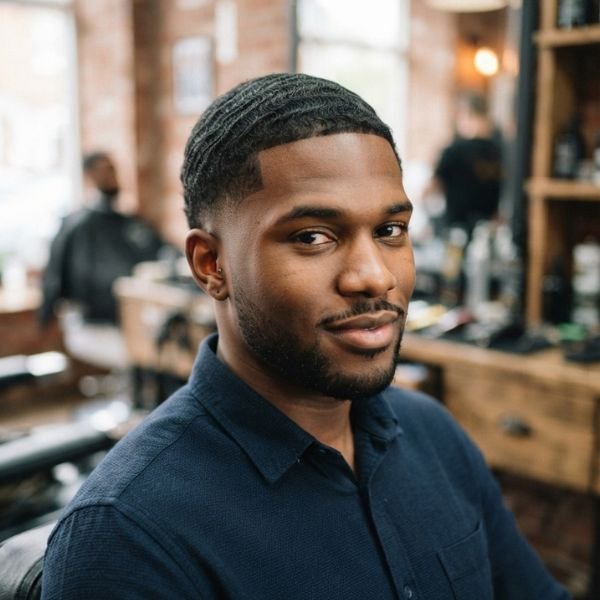
For office or interview settings, keep the top around 2 to 3 inches with a neat side sweep and a tapered neckline. Finish with a matte product so it does not look shiny or overworked.
If you have a beard, ask the barber to blend the taper into it. That one detail makes the whole look more polished.
Thick Wavy Low Taper Fade

Thick waves need weight removal, not just shorter sides. Ask the barber to thin the top with texturizing shears and to leave enough length so the hair does not puff out.
Use a richer cream or a light styling butter to keep the hair defined. Avoid heavy gels, which can make thick waves look flat and crunchy.
Natural Wavy Flow with Low Taper Fade

This is the lowest-effort option. Leave the top mostly alone, keep the taper subtle, and let your waves do their own thing.
Apply a leave-in conditioner, scrunch, and go. It is a good pick if you want a cut that looks fine on a lazy morning.
Read more: Low Taper Fade: Complete Beginner Guide
Which One Is Right for You?
| Your situation | Best style to try |
| Fine or thin waves | Textured, Messy, or Fluffy |
| Thick, dense waves | Thick, Classic, or Side Part |
| Loose 2A waves | Middle Part, Fringe, or Natural Flow |
| Strong 2C waves | Classic, Long, or Textured |
| Office or formal work | Professional or Side Part |
| Very little styling time | Short, Natural Flow, or Messy |
Quick face shape tips:
- Oval: Almost anything works.
- Round: Choose more height on top, such as Fluffy or Side Part.
- Square: A soft Fringe or Textured top softens the jaw.
- Long or oblong: Choose a Fringe or a slightly shorter top with less height.
Talking to Your Barber
Poor communication is the most common reason people dislike a haircut. Clear words and a photo fix most of it.
- Bring photos. Show front, side, and back views if you can. Choose photos of wavy hair, not straight or tightly curled.
- Say where the taper starts. For example: “Start just above the ears, low and subtle.”
- Give a top length in inches. “About 3 inches” is easier to follow than “not too short.”
- Say what the bottom edge should look like. Do you want a skin finish or a soft shadow? A tapered neckline or a squared one?
- Mention your hair quirks. Cowlicks, a double crown, and thick or thin patches all change how the barber cuts.
Sample script: “I would like a low taper fade starting just above my ears, blended down to a soft shadow at the neckline. Keep about 3 inches on top so my waves show. Please cut the top with scissors, not clippers, and taper the back instead of squaring it.”
One more tip: if you are unsure, start lower. A barber can always take the fade higher later, but cannot put the hair back.
Keeping It Looking Good
A low taper fade looks best when the edges are fresh and the waves are hydrated. This simple routine works for most people:
- Wash gently. Use a mild shampoo two or three times a week. Over-washing dries out waves and causes frizz.
- Condition every time. Focus on the mid-lengths and ends.
- Apply product to damp hair. Cream for softness, paste for texture, sea salt spray for a beachy finish.
- Dry with care. Air-dry, or use a diffuser on low heat. Avoid rough towel rubbing.
- Do not overload with product. A pea to a coin-sized amount is enough for most heads.
How often to trim: Most barbers suggest a tidy-up every 2 to 4 weeks to keep the taper sharp. Shorter tops usually need visits closer to the 2 week mark. Longer, natural styles can stretch to 4 weeks or more.
Humidity tip: In damp weather, waves can frizz. A light anti-frizz cream or leave-in conditioner helps hold the shape.
Read more: Low Taper Fade Styles for Wavy Hair
Mistakes Worth Avoiding
- Going too short on top. Waves need length to form. Cut them too short and they look straight or fluffy.
- Asking for a fade without specifics. “Just a taper” can lead to a much higher or lower result than you expected.
- Skipping the back and neckline. Whatever the sides get, the back should match. A squared-off back can look harsh against a soft taper.
- Using the wrong products. Heavy gels can flatten waves. Alcohol-based sprays can dry them out.
- Rubbing hair with a towel. This breaks up the wave pattern and causes frizz. Pat or scrunch instead.
- Waiting too long between cuts. Once the taper grows out, the shape gets bulky and loses its edge.
- Ignoring your cowlick. Fight it and it wins. Ask the barber to work with it.
Conclusion
A low taper fade gives wavy hair the structure it often lacks without taking away its natural movement. It is subtle enough for work, relaxed enough for weekends, and flexible enough to suit many face shapes and wave patterns.
Choose a style that fits your hair type and daily routine, bring clear photos, and speak up about length and finish. Then keep it fresh with regular trims and simple, gentle care. Do that, and the cut will do most of the work for you.
Frequently Asked Questions
Is a low taper fade good for wavy hair?
Yes. It cleans up the sides and neckline while leaving length on top, so your waves keep their shape and movement.
How long should the top be?
Most wavy hair looks best at 3 to 4 inches. Shorter tops of 1.5 to 2.5 inches also work if you want low maintenance.
Does it work with thick wavy hair?
Yes, and it often helps. The taper removes bulk from the sides, and your barber can thin the top to keep the waves from puffing out.
Is this haircut professional?
Yes. A low taper with a neat side part or a short textured top is widely accepted in office and interview settings.
How often should I get a trim?
Every 2 to 4 weeks keeps the edges sharp. Shorter styles need more frequent visits than longer, natural ones.
Can I get this with long wavy hair?
Yes. Keep the length on top and taper only the sides and neckline, which keeps the hair looking tidy and intentional.