
A taper fade is a haircut where the hair on the sides and back gets gradually shorter toward the ears and neckline, creating a smooth, clean blend.
It looks sharp, works with almost any top length and stays neat as it grows out.
A taper fade shortens the hair in a smooth gradient around the sideburns, ears and nape. You choose how high the blend starts (low, mid or high) and how short it ends (close to skin or with a little length left).
Low versions are subtle and last longest. High versions are bolder and need more upkeep.
This guide explains the cut in plain language, compares it with other fades, matches it to your face shape and hair type, and gives you the exact words to use at the barbershop.
What Is a Taper Fade?
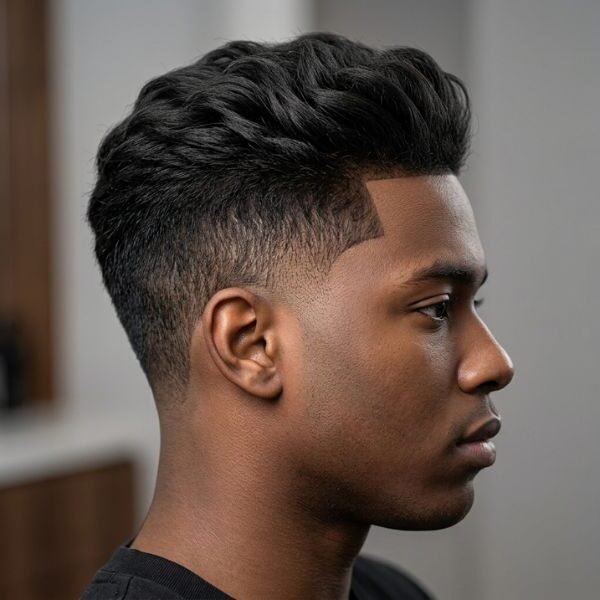
A taper fade is a men’s haircut technique that blends short hair at the bottom of the head into longer hair above it.
The blend usually starts at the sideburns and the back of the neck, then rises to a length your barber chooses.
The word “taper” simply means getting narrower or shorter in a gradual way. The word “fade” means the hair blends down to very short or to the skin.
A taper fade combines both ideas: a gentle gradient that finishes very short.
You will often see it on the neckline and around the ears, while the sides and top keep more length.
That is why it feels cleaner than a standard scissor cut but less dramatic than a bald fade.
What Is a Taper Fade Haircut?
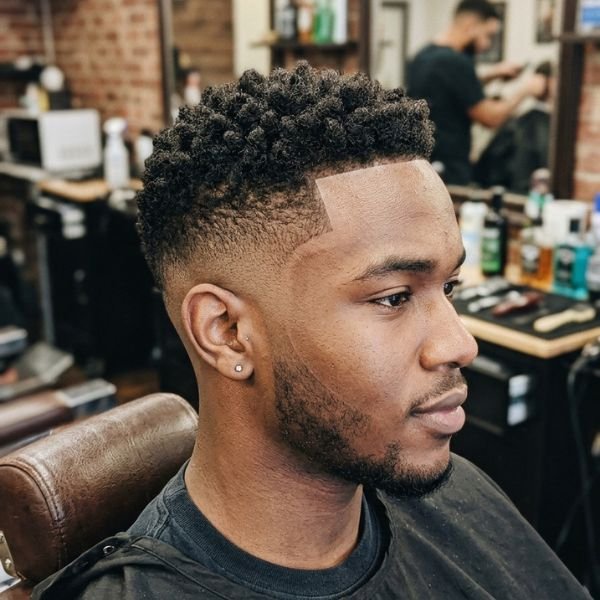
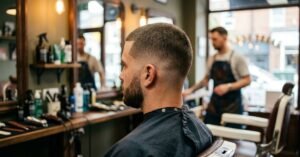
A taper fade haircut is the complete look: the blended sides and neckline plus whatever style sits on top. The fade is only half the haircut.
The top could be a textured crop, a side part, a quiff, curls or a short buzz.
Barbers build it with clippers, guard lengths, a clipper-over-comb technique and often a trimmer for edges.
A skilled barber checks the blend from several angles so there are no harsh lines or patchy spots.
Here are the key traits of a well-done taper fade:
- A smooth gradient with no visible steps
- Clean sideburns that match on both sides
- A neat neckline that suits your hair growth pattern
- Enough length on top to style
- Short, tidy edges around the ears
The cut has deep roots in barbering traditions and became a staple in modern barbershops because it looks professional without being boring.
Taper Fade vs Fade vs Low Fade

| Feature | Classic Taper | Taper Fade | Skin Fade |
| Ends at | Short visible hair | Very short, sometimes skin | Bare skin |
| Contrast | Soft | Medium | High |
| Look | Conservative | Clean and balanced | Sharp and bold |
| Typical refresh | 3 to 5 weeks | 2 to 4 weeks | 1 to 2 weeks |
Fade (Skin Fade):
A skin fade, also called a bald fade or zero fade, blends the hair down to bare skin. It creates the strongest contrast and the most dramatic look.
It also grows out the fastest, so most people book a refresh every one to two weeks to keep it crisp.
Low Fade:

A low fade starts the blend close to the ears and the nape, just above the natural hairline. It keeps most of the sides intact.
It is often confused with a low taper fade, but the real difference is intensity. A low fade usually ends at skin, while a low taper fade can finish with a touch more length.
Which is better? Neither wins outright. Choose a taper fade if you want a clean look that is easier to maintain. Choose a skin fade if you want maximum sharpness and do not mind frequent visits.
Types of Taper Fade Haircuts
The main difference between types is where the blend begins on the head. Think of it as a dial: the higher the starting point, the bolder the look.
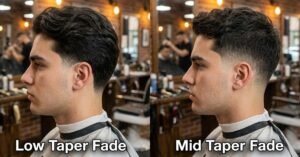
Low Taper Fade
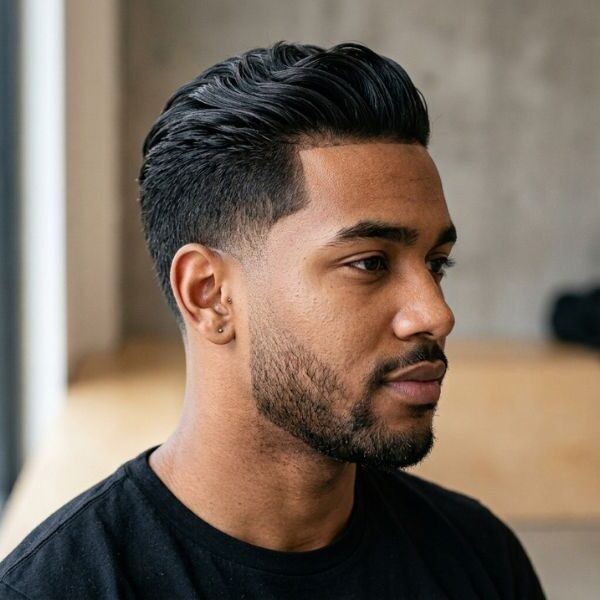
The blend begins low, around the sideburns and the base of the neck. It leaves most of the sides at a natural length.
- Best for: first-timers, office jobs, conservative settings
- Look: subtle and polished
- Typical refresh: 3 to 4 weeks
Many barbers recommend this height as the safest starting point because it is hard to regret.
Mid Taper Fade
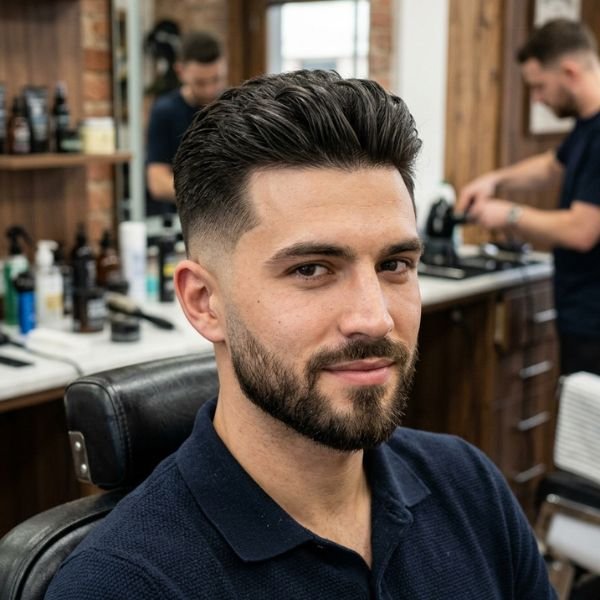
The blend starts around the temple or mid-ear level. It gives you visible contrast without going extreme.
- Best for: most face shapes, most hair types
- Look: balanced and modern
- Typical refresh: 2 to 3 weeks
If you are unsure what to pick, a mid taper fade is the most versatile option.
High Taper Fade
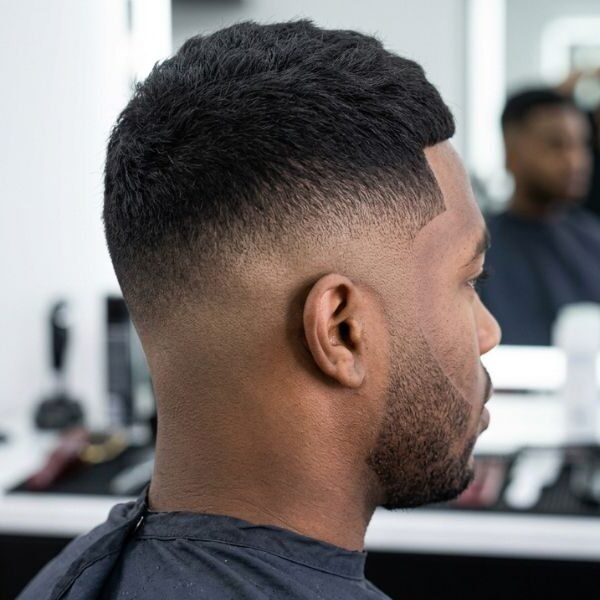
The blend starts high on the head, near the temples or even higher. It removes more side hair and pushes the contrast upward.
- Best for: bold styles, longer or voluminous tops
- Look: sharp and high-impact
- Typical refresh: about 2 weeks
The high version makes the top look fuller, but it shows grow-out fast.
Skin / Bald Taper Fade

This version finishes at bare skin at the bottom of the blend. It is the cleanest, most striking choice, and it demands the most upkeep.
- Best for: strong contrast, short beard blends, a crisp finish
- Look: clean and dramatic
- Typical refresh: 1 to 2 weeks
Best Taper Fade for Face Shapes
The right height balances your proportions. Use these pairings as a starting point, not a strict rule.
- Oval face: Almost any height works. A mid taper fade is a safe pick.
- Round face: Go for a mid or high taper fade with volume on top. This adds height and makes the face look longer.
- Square face: A low or mid taper fade keeps the strong jawline in focus without adding harshness.
- Oblong or long face: Choose a low taper fade and keep the top shorter. Too much height can make the face look even longer.
- Heart-shaped face: A low or mid taper fade with a textured fringe softens the forehead and balances a narrow chin.
- Diamond face: A mid taper fade with some fullness on top helps even out the cheekbones.
A barber will usually judge this by eye in the chair. Do not be afraid to ask what suits your head shape.
Read more: Low Taper Fade for Curly Hair: A Simple Style Guide for Men
Best Taper Fade for Hair Types
Hair texture changes how the blend looks and how often you need a trim.
- Straight hair: Shows the gradient clearly, so clean blending matters. Add texture product to avoid a flat top.
- Wavy hair: Works very well because the waves add natural movement on top while the sides stay neat.
- Curly hair: A taper fade controls bulk on the sides and lets curls stand out. Keep the top long enough for the curl pattern to form.
- Coily or afro-textured hair: Excellent fit. It frames shaped-up edges, twists, coils or a rounded afro. The contrast looks especially crisp.
- Thick hair: The taper removes weight from the sides so the cut sits closer to the head.
- Thin or receding hair: A low taper fade with a short, textured top can make thinning less noticeable.
Popular Taper Fade Styles
The fade handles the sides. The top decides the personality.
- Textured crop: Short, messy and low effort. Works with most hair types.
- Side part: Neat and classic. Great for work and formal events.
- Quiff or pompadour: Adds height and volume with a high-contrast fade.
- Buzz cut: Minimal and clean. A taper at the edges keeps it from looking flat.
- Curls on top: Shows natural texture while the sides stay controlled.
- Afro taper: Keeps volume on top and shapes the edges for a sharp frame.
- With a beard: The taper blends into the beard so the transition from head to face looks seamless.
- With a hard part or design: Adds a small personal detail for people who like an edgy finish.
How to Ask Your Barber for a Taper Fade
Clear instructions prevent most haircut disappointments. Follow these steps:
- Name the height: Say low, mid or high taper fade.
- Say how short the bottom should go: Skin, very short or with a little length left.
- State the top length: Use fingers or a photo to show how much you want to keep.
- Pick the neckline: Natural, rounded or squared off.
- Mention the beard or sideburns: Say whether you want them blended.
- Bring a photo: Choose one with a similar hair type and head shape.
Sample script: “I’d like a low taper fade with a short fade at the sideburns and neckline. Keep the top about two inches and textured, with a natural neckline.”
If your barber suggests changes, listen. They can see your head shape and hair growth patterns, which a photo cannot show.
Read more: Low Taper vs Burst Fade: Which Haircut Looks Better on You?
How Long Does a Taper Fade Last?
| Style | Looks best for |
| Low taper fade | 3 to 4 weeks |
| Mid taper fade | 2 to 3 weeks |
| High taper fade | About 2 weeks |
| Skin taper fade | 1 to 2 weeks |
Taper Fade Maintenance Tips
A little daily care keeps the cut looking sharp between visits.
- Wash regularly: Clean hair shows the blend better than greasy hair.
- Use the right product: Matte clay or paste for texture. Light cream for curls. Pomade for a polished side part.
- Moisturize the scalp: Dry skin makes short sides look dull and flaky, especially on skin fades.
- Keep the neckline tidy: A quick trim between cuts extends the life of the haircut.
- Do not shave at home: Without a proper guide, home blending often creates harsh lines.
- Sleep on a clean pillowcase: It helps the style hold and reduces breakouts along the hairline.
- Rebook before it looks bad: Booking the next visit at the end of the appointment avoids gaps.
Is a Taper Fade Good for Office or School?
Yes. A low or mid taper fade is one of the safest choices for professional and school settings. It looks tidy, requires little styling and suits most dress codes.
Here are a few practical points:
- Office: A low taper fade with a side part reads as polished and professional.
- School: Most schools accept a taper fade, but check the dress code if you want a high skin fade or shaved designs.
- Interviews: Keep it low and subtle with a neat top.
- Creative workplaces: You have more room for higher fades, textured tops and designs.
If you are not sure, start low. You can always go shorter next time.
Read more: Best Haircuts for Diamond Face Shape (Male)
Common Taper Fade Mistakes to Avoid
Most bad fades come from small mistakes that are easy to prevent.
- Asking for “just a fade”: That could mean anything from low to bald. Always name the height.
- Choosing the wrong height for your face: A very high fade on a long face can exaggerate length.
- Cutting the top too short: The sides need contrast to look right. Keep enough length for styling.
- Ignoring the neckline: A messy or mismatched neckline ruins even a perfect blend.
- Skipping product: Without styling, the top can look flat next to a crisp fade.
- Waiting too long between cuts: A skin fade past two weeks starts looking messy.
- Showing a photo with different hair: A style that works on straight hair may not suit tight curls.
- Trying to blend at home: Clipper lines are hard to fix without practice and a good mirror setup.
- Not mentioning cowlicks: Tell your barber about hair that grows in odd directions so they can adjust.
Conclusion
The taper fade stays popular because it is flexible, clean and easy to live with.
You can keep it subtle with a low taper, go bolder with a high or skin version, and pair it with almost any top style from curls to a classic side part.
Choose the height that fits your face shape, hair type and lifestyle. Bring a photo, use the barber script above and book your next appointment before the shape grows out.
Do that, and you will get a sharp, confident haircut that works for work, school and everything in between.
Frequently Asked Questions
What is a taper fade?
A taper fade is a haircut where the sides and back gradually shorten toward the ears and neckline, ending very short or close to skin. It creates a clean, smooth blend.
Is taper fade better than fade?
Neither is better; it depends on your goal. A taper fade is subtler and lasts longer, while a skin fade is sharper but needs more frequent upkeep.
Does taper fade suit curly hair?
Yes. It controls bulk on the sides and lets curls stand out on top. Keep the top long enough for the curl pattern to form.
How often should I get a taper fade?
Most people refresh every 2 to 4 weeks. Low versions last about 3 to 4 weeks, while high or skin versions need a visit every 1 to 2 weeks.
Is taper fade good for students?
Yes. It looks neat, needs little styling and fits most school dress codes. A low or mid taper fade is the safest choice.

2 thoughts on “The Best Complete Guide to Taper Fade Haircut”