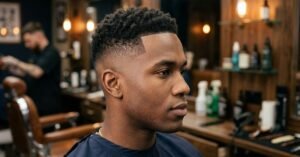
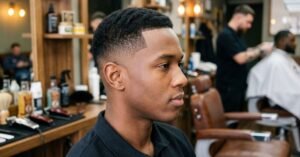
Going clean shaven does not mean your haircut has to play it safe. A low taper fade without a beard puts all the attention on the cut itself, and when it is done right, it looks just as sharp, if not sharper, than a bearded version. There is no facial hair to hide a rough neckline or a messy blend, so the haircut has to do all the talking.
This guide walks through what a low taper fade actually is, why it works so well without a beard, ten of the best styles to try, how to pick one for your face shape, and how to keep it looking fresh between barber visits. By the end, you will know exactly what to ask for in the chair and how to style it at home.
What Is a Low Taper Fade
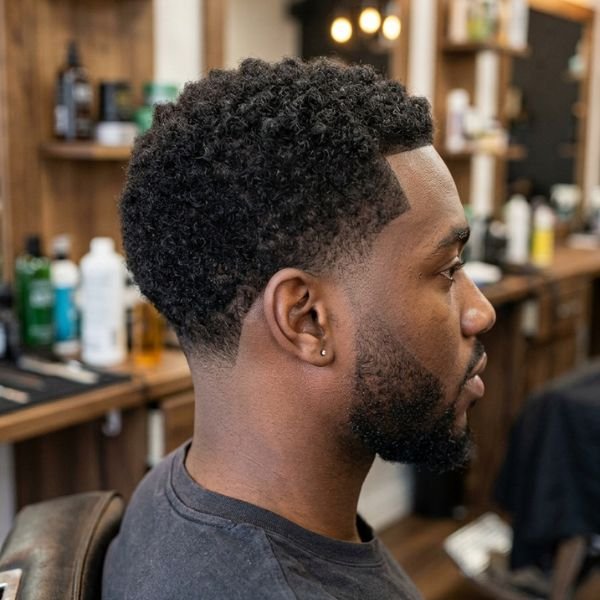
A low taper fade is a haircut where the hair gradually shortens starting near the sideburns, ears and neckline, then blends smoothly into the longer hair on top. Unlike a mid or high fade, the fading action stays low on the head, close to the natural hairline, instead of climbing up toward the temples.
The word taper is important here. A taper does not always go all the way down to the skin the way a fade can. It simply tapers, or gradually reduces, the hair length so there is no harsh line between short and long sections. Many barbers use the terms taper and fade together because a low taper fade usually combines both techniques, a soft taper around the ears with a tighter fade near the hairline.
Here is what sets it apart from other fade types:
- Low taper fade: starts around the sideburns and neckline, closest to the natural hairline, most subtle and low maintenance
- Mid taper fade: starts above the ear, roughly at the middle of the side of the head, offers more shape and contrast
- High taper fade: starts near the temple, creates the sharpest contrast between the top and sides
Because the fade sits low, this cut suits nearly every hair texture and face shape, and it grows out more gracefully than a high or skin fade, which is one reason it remains one of the most requested cuts at barbershops.
Why It Works Even Better Without a Beard
A beard often softens the jawline and adds visual weight to the lower half of the face. Take that away, and the haircut becomes the main framing element for your whole look. That is actually an advantage, not a drawback, for a few reasons.
- The fade gets to shine. Without a beard blending into the sideburns, the taper line stays crisp and visible, which is exactly what shows off good barbering work.
- Your jawline and cheekbones stand out. A clean shave paired with a well blended low taper draws the eye upward and gives the whole face a more sculpted, put together appearance.
- It reads as more polished for work and formal settings. Many offices and interviews still favor a clean shaven, tidy look, and a low taper fade checks that box without looking boring.
- Lower maintenance overall. No beard trimming, no beard oil, no shaping. You are only managing one grooming routine instead of two.
- It suits younger and softer face structures well. Guys who cannot grow a full, even beard yet, or who simply prefer not to, get a sharp result without depending on facial hair to pull the style together.
The trade off is that a clean shaven low taper leaves nowhere to hide. Uneven blending, a choppy neckline or an awkward part line will be more noticeable. That just means it pays to be a little more precise about styling and upkeep, which the next sections cover in detail.
10 Best Low Taper Fade Styles Without Beard
Classic Low Taper Fade
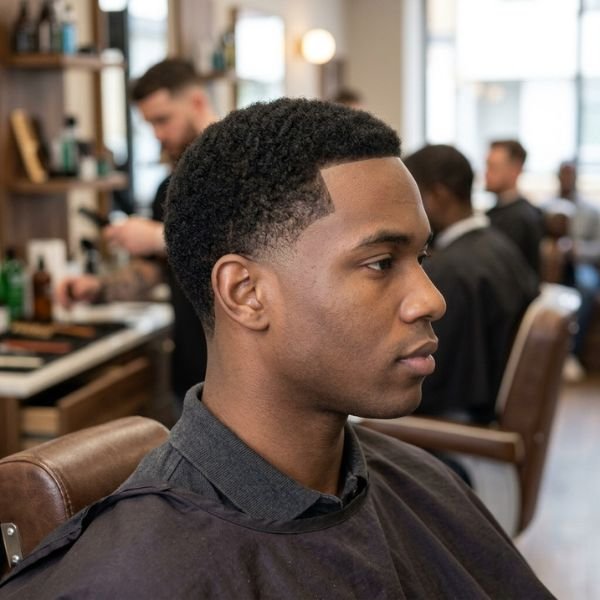
This is the cut most people picture when they hear the name. The sides taper gently from the ears down, the top stays at a moderate length, usually one to three inches, and the whole thing is combed or brushed into a simple, natural shape. It works with straight, wavy or slightly curly hair and needs almost no product to look good. If you want one safe, professional cut that works anywhere from the office to a wedding, this is it.
Textured Crop with Low Taper
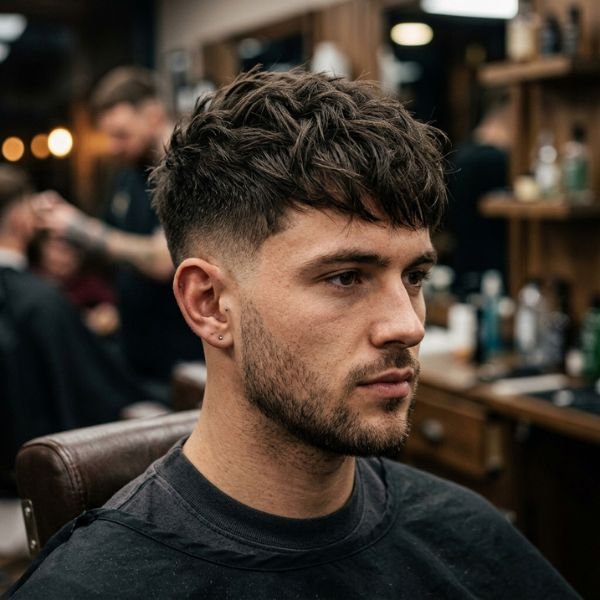
A textured crop keeps the top short, usually around one to two inches, with choppy, piece-y layers that give it movement instead of a flat, combed look. Paired with a low taper, the contrast between the textured top and the smooth sides creates a modern, effortless vibe. A small amount of matte clay or paste worked through damp hair is all it takes to bring out the texture. This style suits fine to medium hair especially well, since texturizing adds the illusion of thickness.
Crew Cut with Low Taper
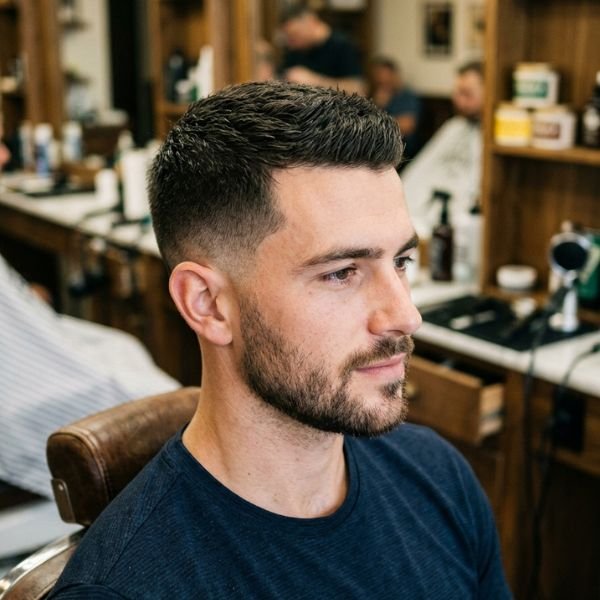
The crew cut is short, neat and built for guys who want zero fuss. Hair on top is kept close, usually under an inch, with a very slight increase in length toward the front for a soft, natural taper of its own. Combined with a low taper fade on the sides, it creates a tidy, athletic silhouette that works for active lifestyles, military-adjacent jobs or anyone who just wants to wash and go. Styling takes seconds, a small dab of product or none at all.
Comb Over with Low Taper
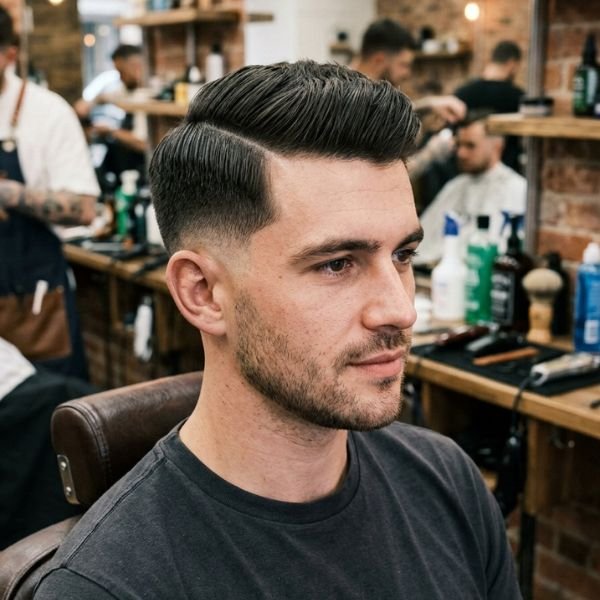
A comb over with a low taper takes slightly longer top hair, roughly two to four inches, and sweeps it to one side over a defined part. It is a timeless, gentleman’s cut that looks sharp for interviews, client meetings and formal events. The key is a well defined part line and a pomade or cream with enough hold to keep the direction of the sweep in place through the day.
Slick Back with Low Taper
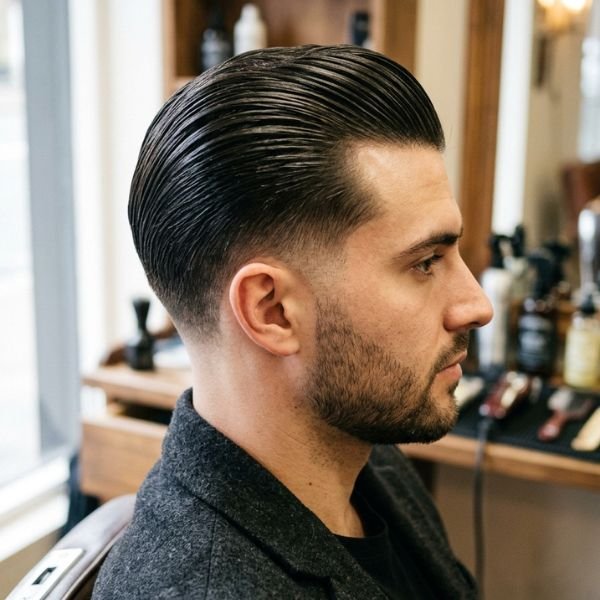
All the hair on top gets pushed straight back, away from the face, for a confident, put together look. This style needs medium to longer top hair, generally at least three inches, so there is enough length to actually slick back. A strong hold pomade, applied to damp hair and combed straight back, gives it that polished, wet look finish. It pairs especially well with strong jawlines and square face shapes.
Curly Hair with Low Taper
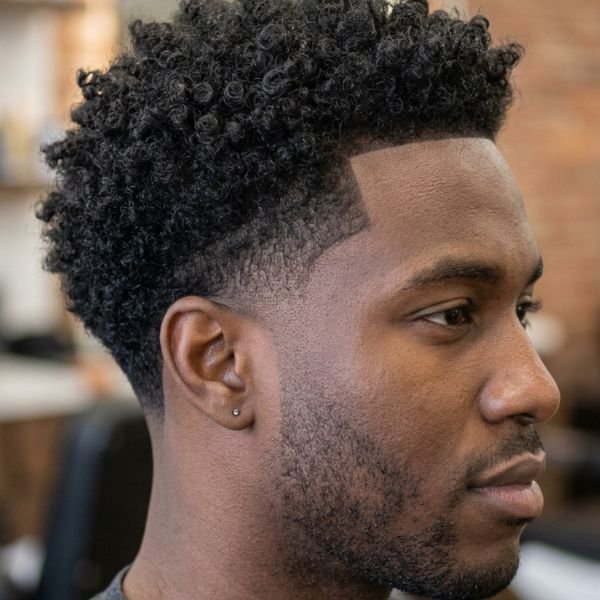
Guys with natural curls do not need to straighten anything to make a low taper work. Letting the curls stay full and defined on top, while the sides taper down cleanly, creates a striking contrast between texture and precision. A curl defining cream or gel, scrunched in on damp hair, helps keep the curl pattern intact without frizz. This is one of the most photogenic versions of the cut, since the curl volume balances out the tightness of the fade.
French Crop with Low Taper
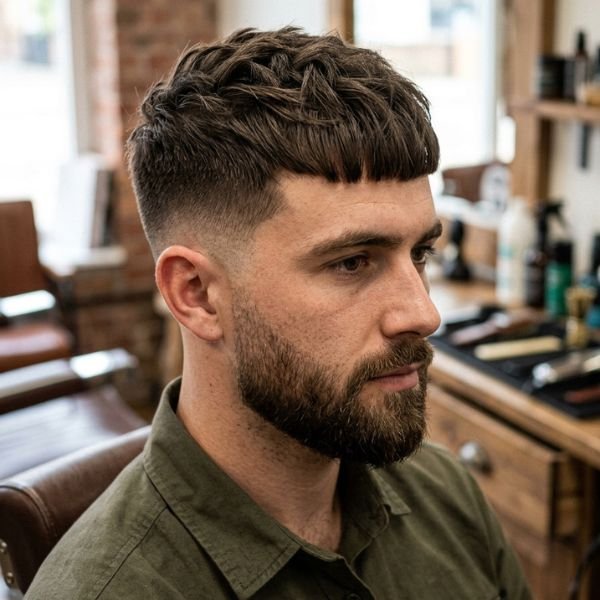
The French crop is a short, textured fringe that sits just above the eyebrows, paired with tight sides. With a low taper instead of a high or skin fade, the whole look feels a bit softer and more everyday wearable while still looking deliberate. It suits straight to wavy hair best and works well for guys with heart shaped or oval faces, since the fringe adds width at the forehead.
Buzz Cut with Low Taper
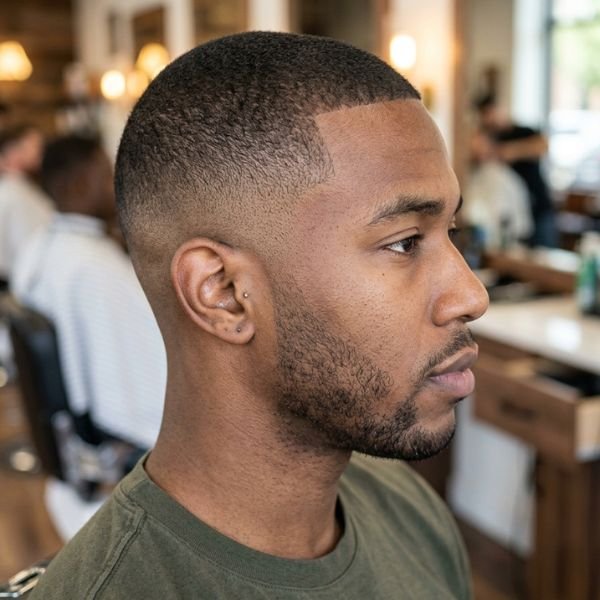
For the lowest maintenance option on this list, a buzz cut keeps the top uniformly short, often the same length across the whole head or just slightly longer at the crown, while the low taper blends the sides down cleanly. There is no styling required, no product needed, just a trim every few weeks to keep the shape sharp. It is a strong pick for guys with straight hair, receding hairlines or anyone who wants a wash and wear routine.
Side Part with Low Taper
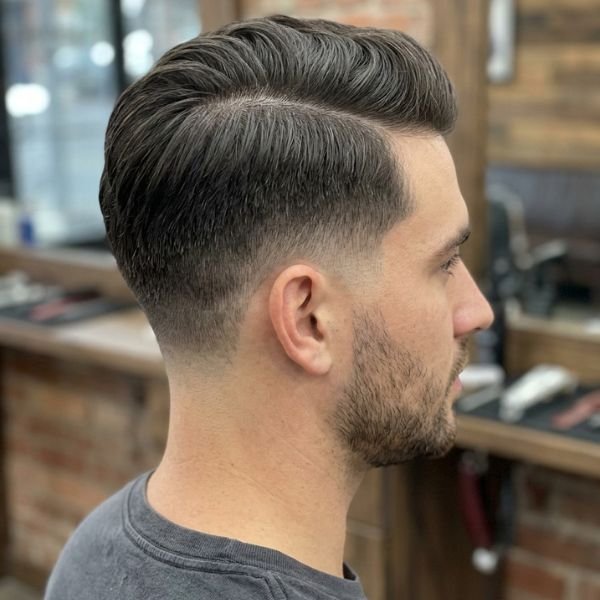
A side part is a comb over’s more structured cousin. A hard or soft part is cut or shaved into the hairline on one side, and the top hair is combed to the opposite side. Paired with a low taper, it creates one of the sharpest, most detail oriented looks on this list. It is a favorite for weddings, business settings and anyone who wants their haircut to look intentional down to the millimeter.
Fluffy Wavy Hair with Low Taper
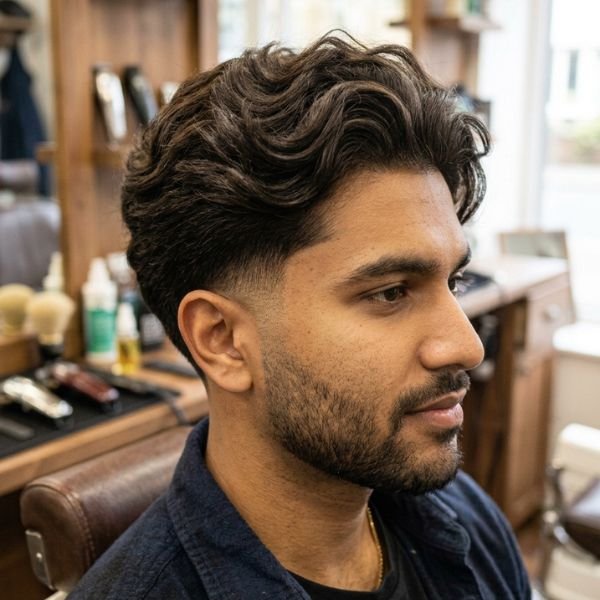
This style leans into natural wave patterns instead of fighting them. The top is left a bit longer, usually two to four inches, and blow dried or air dried with light product to keep volume without weighing the waves down. The low taper on the sides keeps things controlled so the fluffiness on top does not read as messy. It is a relaxed, low effort style that still looks styled, popular with guys who do not want to spend more than a minute or two in front of the mirror.
Choosing the Right Style for Your Face Shape
Not every low taper fade style flatters every face equally. A quick way to narrow down your options is to match the cut to your face shape.
- Round face: Add height on top and avoid anything wide or flat on the sides. A textured crop, French crop or comb over helps elongate the face.
- Square face: Strong jawlines can handle bold, structured cuts. A slick back or side part works well, since it lets the jaw do most of the visual work while the top stays simple.
- Oval face: This is the most balanced face shape, so nearly every style on this list will work. Choose based on hair texture and personal taste rather than trying to correct anything.
- Heart shaped face: A wider forehead and narrower chin benefit from styles that do not add extra height, like a French crop or a soft side sweep, which balance the proportions instead of exaggerating them.
- Diamond face: Cheekbones are the widest point here, so a textured crop or fluffy wavy style with some fringe softens the angles nicely.
- Rectangular or long face: Keep the top shorter and avoid too much added height. A crew cut or classic low taper with moderate length works better than a tall, voluminous style.
If you are unsure which category you fall into, a barber can usually tell within seconds and will often already be thinking about face shape when they suggest a length or part for your top hair.
How to Style It at Home
Most low taper fade styles are genuinely easy to maintain once the initial cut is done. A basic routine looks like this:
- Start with damp, not soaking wet, hair. Product distributes more evenly and the style holds longer.
- Choose the right product for your goal. Matte clay or paste for texture and definition, pomade for shine and slicked back looks, curl cream or gel for natural curls and waves.
- Use a small amount first. A dime sized amount is usually enough. You can always add more, but it is hard to fix hair that has too much product in it.
- Work product from the mid lengths to the ends, not straight onto the scalp, so the sides stay clean and the taper does not look greasy.
- Use a comb or brush to define the shape, whether that is a part, a slick back direction or just combing the top into place.
- Let it air dry or finish with a blow dryer on low heat for extra volume, especially useful for the textured crop, fluffy wavy and curly styles.
Because the sides are already short from the fade, most of the daily styling effort goes into the top hair, which keeps mornings quick.
How to Keep It Looking Fresh
A low taper fade grows out more gracefully than a skin fade, but it still needs regular attention to stay sharp.
- Get a trim every two to four weeks. The exact timing depends on how fast your hair grows and how crisp you like the taper line to look.
- Keep the neckline and sideburns tidy between full haircuts. A trimmer or a quick visit for a neck shave keeps the edges from looking overgrown, especially important without a beard to soften that area.
- Wash regularly but avoid overwashing. Two to three times a week is usually enough to keep the scalp healthy without stripping natural oils that help with styling.
- Moisturize the scalp, particularly if your fade goes close to the skin near the hairline, since dry, flaky skin is much more visible on very short hair.
- Protect the style at night. A silk or satin pillowcase reduces friction and helps curly or wavy top styles keep their shape longer.
- Watch for uneven growth. Some guys grow hair faster at the crown or temples, which can throw off the taper line before the rest of the head needs a trim. A quick touch up in that spot alone can extend the life of the cut.
What to Tell Your Barber
Clear communication makes the difference between a great low taper fade and a mediocre one. Bring a reference photo if you have one, and use language like this:
“I would like a low taper fade, starting just above the ears and blending up smoothly into the top. Keep the neckline and sideburns clean and sharp since I am going clean shaven. For the top, I want [your chosen length and style, for example textured crop or side part].”
A few extra details worth mentioning:
- Whether you want the fade to go all the way to skin near the hairline or stay at a slight length
- Your preferred part side, if you are getting a comb over or side part
- How much length you want to keep on top, described in inches or by comparing to a previous haircut
- Any areas that tend to grow unevenly, so the barber can adjust the blend accordingly
Being specific here saves you a follow up visit and helps the barber understand exactly how sharp or subtle you want the transition between the sides and the top.
Final Thoughts
A low taper fade without a beard is proof that a haircut does not need facial hair backup to look finished. The right style, matched to your face shape and hair texture, can look just as sharp, professional and versatile as any bearded combination, sometimes more so, since the fade itself gets to be the star of the look.
Whether you go with a low maintenance buzz cut, a polished side part, or a textured crop that plays up natural movement, the fundamentals stay the same. Keep the blend clean, communicate clearly with your barber, and stick to a simple maintenance routine between visits. Do that, and a low taper fade will stay one of the most reliable, good looking haircuts you can walk into any barbershop and ask for.
Frequently Asked Questions
Does a low taper fade work without a beard?
Yes. A low taper fade is designed around the haircut itself, so it looks just as sharp and finished on a clean shaven face as it does with a beard.
How often should I get a low taper fade touched up?
Most guys need a trim every two to four weeks to keep the blend and neckline looking clean.
Is a low taper fade good for a receding hairline?
Yes, a low taper fade is one of the more forgiving options for a receding hairline since it does not draw attention upward the way a high fade can.
Can I get a low taper fade with curly or wavy hair?
Absolutely. The taper works with almost any texture, and curly or wavy top hair actually adds nice contrast against the clean sides.
What is the difference between a taper and a fade?
A taper gradually shortens hair without necessarily going down to the skin, while a fade typically blends hair all the way to skin level at some point on the head.
Will a low taper fade suit my face shape?
Most face shapes work well with a low taper fade, though the top length and style should be adjusted based on whether you want to add height, width or balance.
Do I need styling products for a low taper fade?
Not always. Short styles like a buzz cut or crew cut need little to no product, while longer top styles like a slick back or comb over benefit from a pomade or clay for hold and shape.