
A French crop low taper pairs a short, textured top and a blunt fringe with sides that shorten gradually just above the ears and neckline. It looks sharp, takes about two minutes to style, and works with straight, wavy, or curly hair.
Many barbers recommend it as a safe first step into modern crops, because the taper stays subtle and professional. Below, you will find what the cut is, why it is so popular, 20 variations, a comparison with a plain fade, and the exact words to say to your barber.
You also get simple styling steps that keep the fringe in place all day. Each tip reflects current barber and grooming guidance.
What Is a French Crop Low Taper?
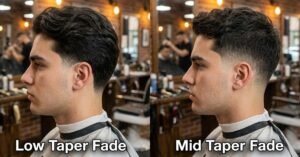
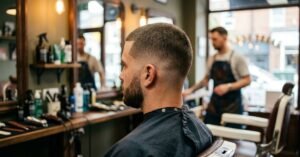
A French crop low taper is a short men’s haircut with a textured top, a forward-combed fringe, and sides that fade gently from the sideburns and nape. The low taper keeps the transition close to the ears and neckline, so the cut looks neat without a dramatic contrast.
The French crop itself is also called the Caesar cut, named after Julius Caesar, the Roman leader often shown with short, forward-combed hair.
Modern Barber, a trade publication for professional hairdressers, describes it as a short fade on the sides with a blunt fringe at the front.
Here are the core features of this cut:
- Top: Short to medium length, usually about 1 to 3 inches, pushed forward.
- Fringe: Blunt or lightly textured, sitting above or across the forehead.
- Sides and back: A low taper that starts at the sideburns and nape.
- Finish: Matte, natural, and low shine.
A taper is not the same as a full fade. A taper shortens the hair gradually but usually keeps some length, while a skin fade goes down to bare skin. Man of Many, an Australian men’s lifestyle site, notes that a barber’s taper often fades the sideburns and nape below a zero blade.
Why Is the French Crop Low Taper So Popular?
This cut is popular because it looks polished, needs little daily effort, and suits many hair types and face shapes. It also grows out cleanly, which saves time between barber visits.
Pop culture has helped too. Modern Barber links the French crop’s comeback to Peaky Blinders (a British crime drama set in 1920s Birmingham), actor Tom Holland (the English actor known for playing Spider-Man), and the film Gladiator II.
Luxe Digital, a men’s style publication, also points to actor Cillian Murphy, who played Tommy Shelby in Peaky Blinders and has worn a textured French crop.
The main reasons men choose it:
- Low maintenance: Most men style it with one product in under two minutes.
- Office friendly: The low taper stays subtle, so it suits professional settings.
- Versatile: It adapts to straight, wavy, curly, and thinning hair.
- Flattering: The fringe softens a strong forehead, and the clean sides sharpen the jawline.
- Easy to customize: You can adjust the fringe length, texture, and fade height.
20 Sharp Styles of French Crop Low Taper Every Man Should Try
These 20 variations cover different hair types, lengths, and face shapes. Each one includes a quick note on what to ask for.
1. Classic French Crop Low Taper

This is the original version. Keep the top about 1 to 2 inches with a straight, blunt fringe. Ask for a low taper at the sideburns and neckline, with the sides kept natural. It works on almost every face shape.
2. French Crop Low Taper Fade

Here the taper fades tighter, finishing close to the skin at the ear and nape. It looks cleaner than a classic taper. Ask your barber for a “low taper fade” and name the guard size you prefer.
3. Textured French Crop Low Taper fade

The barber cuts the top with scissors or point cutting (snipping into the ends) to create movement. The fringe looks lived-in instead of blunt. Finish with matte clay for separation and grip.
4. Messy French Crop Low Taper Fade
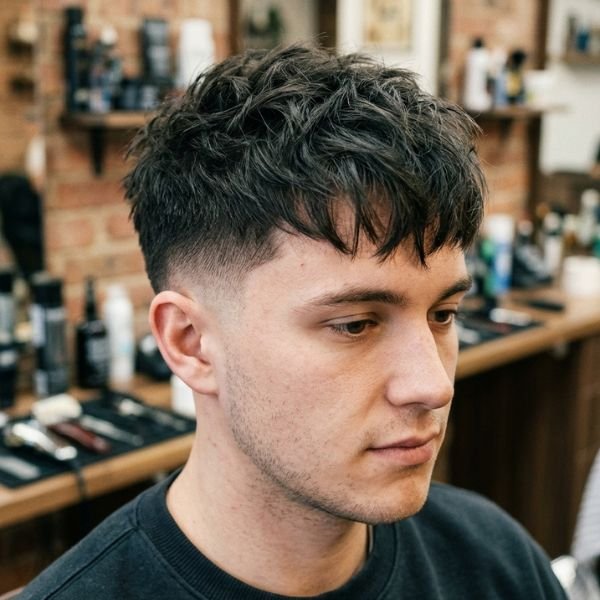
This is the relaxed version. Dry the top by hand, then rough it up with sea salt spray. Murdock London, a London grooming brand, uses the same spray for a natural look and hold.
5. Short French Crop Low Taper
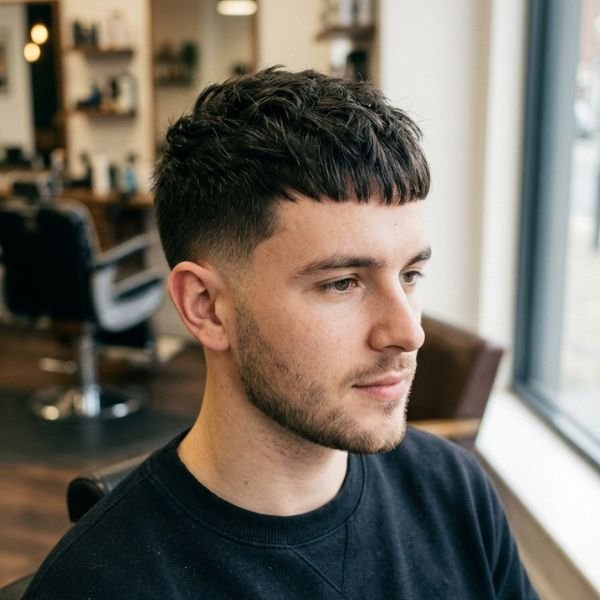
Keep the top near 1 inch and cut the fringe just above the brow. It suits gym routines and hot weather. It also works well if your hair grows quickly and you want a tidy look.
6. French Crop Low Taper Wavy Hair
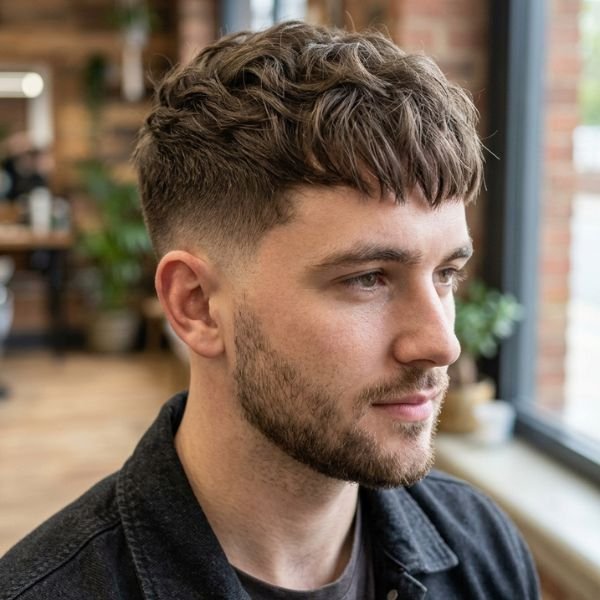
Waves add natural volume, so leave a little more length, around 2 to 3 inches. The extra weight stops waves from springing upward. Blow-dry the fringe forward to control the shape.
7. French Crop Low Taper Straight Hair
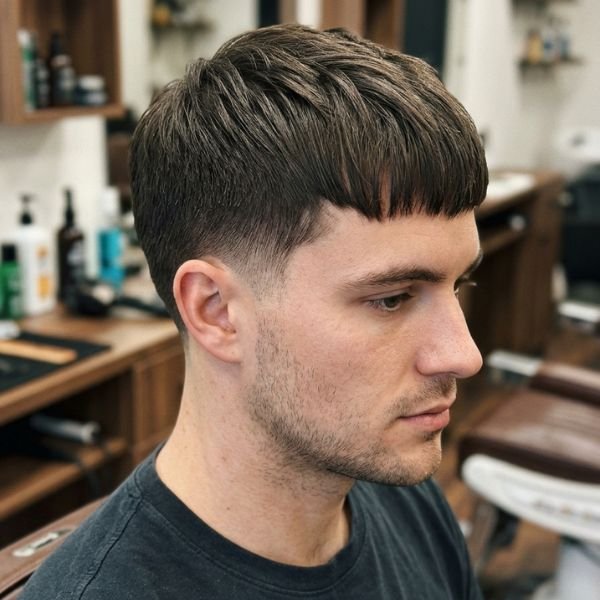
Straight hair shows a blunt fringe best. Ask for a clean horizontal line across the forehead. A light pomade (a styling product with controlled shine) keeps the line crisp.
8. French Crop Low Taper for Curly Hair

Let the curls form the texture. Keep the top 2 to 4 inches and ask for curls shaped, not flattened. A curl cream defines the pattern and cuts frizz.
9. French Crop Low Taper Thick Hair
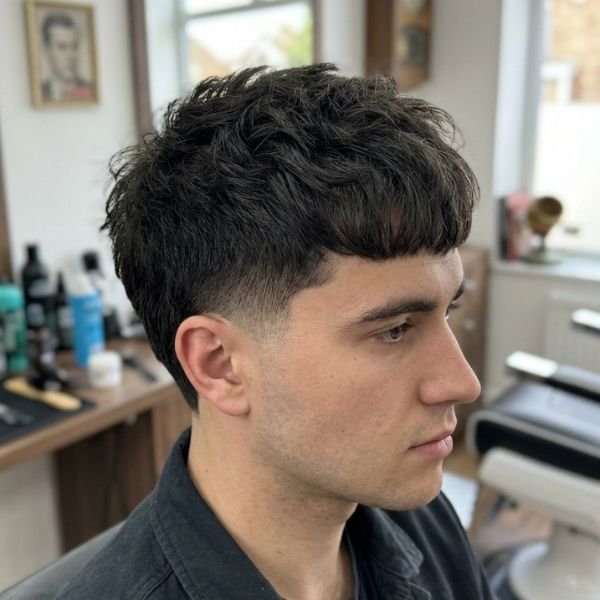
Thick hair can look bulky on top. Ask your barber to thin the top with texturizing shears so the fringe lies flat. The low taper then keeps the sides slim.
10. French Crop Top Low Taper

This version has a slightly longer top that sits taller at the front. Comb the hair forward, then set it with a blow dryer. It looks bold while the taper keeps the outline neat.
11. French Crop Low Taper Textured Fringe

Luxe Digital describes a similar cut as two to three inches on top, choppy and pushed forward, with a low taper at the sideburns and neckline. Finish with matte clay. It is a popular request for a reason.
Read more: Best Fades for Curly Hair – Easy & Complete Guide
12. Low Taper Mullet French Crop
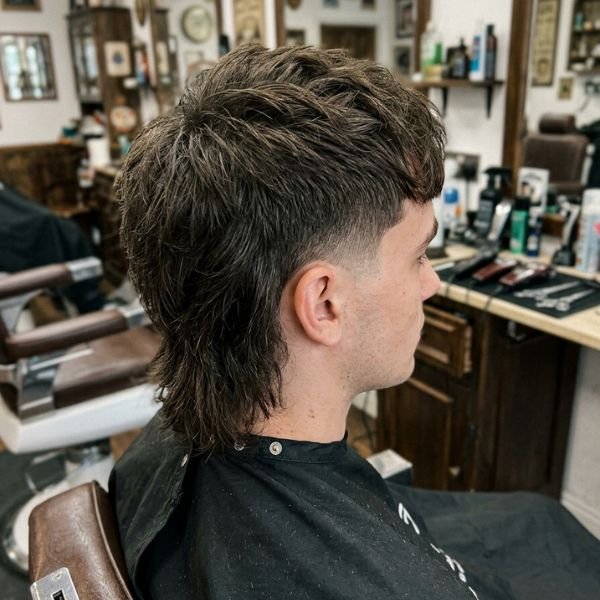
This hybrid keeps a short, textured fringe up front and leaves length at the nape. According to Luxe Digital, a low taper tidies the edges on a mullet instead of shaving the sides. It suits men who want something bolder.
13. Modern French Crop Low Taper
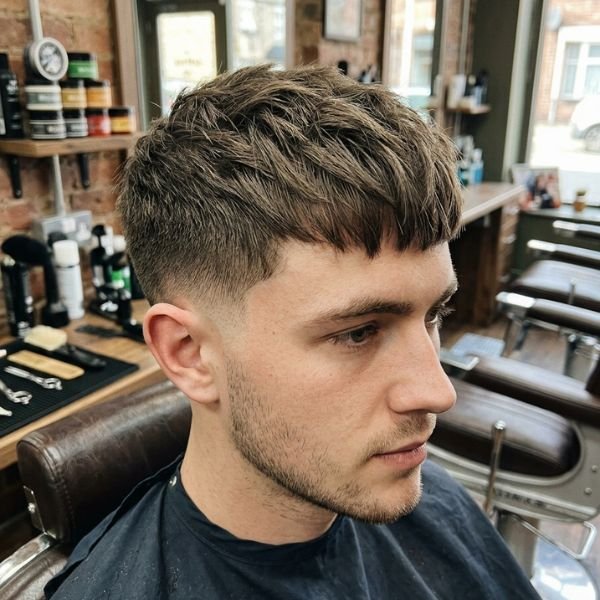
The modern version uses a disconnected look, where the top is noticeably longer than the sides. Soft texture replaces the hard line. It feels current without being extreme.
14. Long French Crop Low Taper

Here the top reaches 3 to 4 inches. You can push it forward or sweep it slightly sideways. Use a light cream to avoid a heavy, greasy finish.
15. French Crop Low Taper with Beard

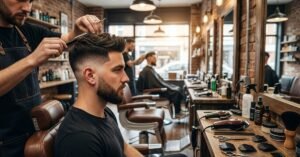
Ask the barber to blend the taper into the beard at the sideburn. A smooth connection looks intentional. Keep the beard line trimmed neatly along the cheeks.
16. French Crop Low Taper for Round Face

Round faces tend to look longer with some height on top. Ask for extra length at the front and a textured, angled fringe. Keep the sides slim with a clean taper.
17. French Crop Low Taper with Skin Fade

The bottom of the taper goes down to the skin for sharper contrast. It looks striking but grows out faster. Many barbers suggest a touch-up every two to three weeks.
18. French Crop Low Taper with Line Up
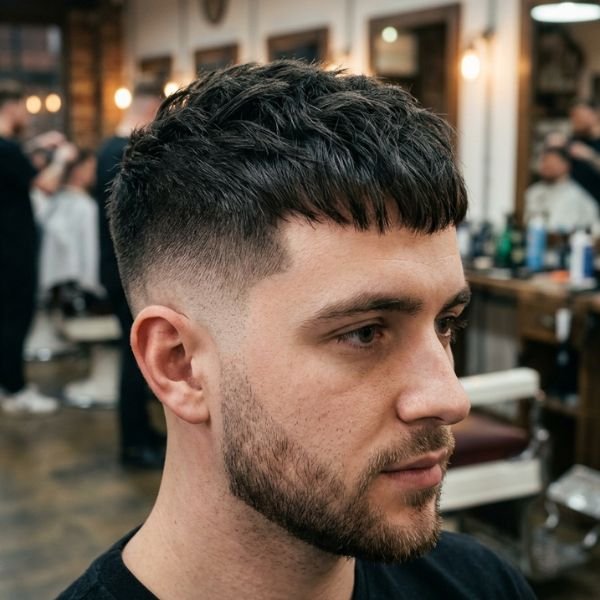
A line up (also called an edge up or shape up) uses a trimmer to draw crisp lines at the hairline and temples. It frames the fringe and sharpens the whole look. It also needs regular upkeep.
19. French Crop Low Taper for Receding Hairline

A short, forward-combed fringe covers the temples naturally. Modern Barber notes the French crop works well on thinning hair. Avoid heavy contrast on the sides, and ask for a soft, low taper.
20. French Crop Low Taper with Design
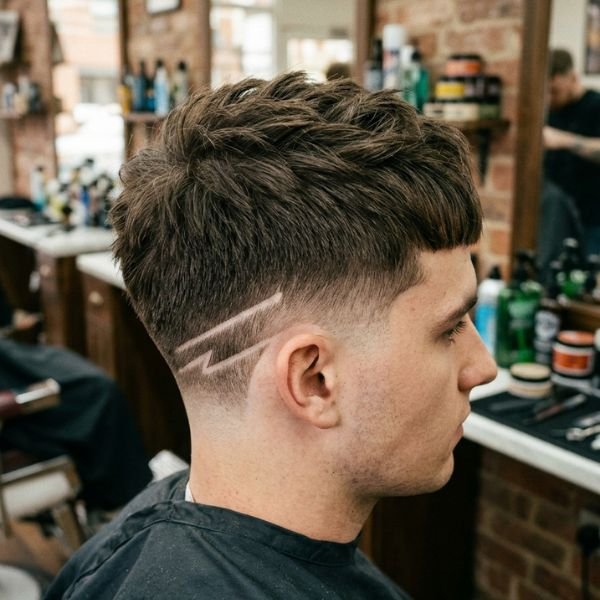
Add a shaved parting or a thin line pattern on one side. Keep the design small so the cut still looks refined. Ask your barber to draw it before cutting.
French Crop vs Low Taper Fade: Which One Should You Choose?
| Feature | French Crop | Low Taper Fade |
| What it is | A top style with a blunt fringe | A side and back blending technique |
| Main focus | Length and shape of the top | Clean transition around ears and neck |
| Top length | Short to medium | Any length |
| Sides | Short, often faded | Gradual, subtle shortening |
| Best for | Straight, wavy, thinning hair | Almost every hair type |
How to Ask Your Barber
Clear communication is the best way to avoid a haircut you regret. Barbers cut what they hear, so specific words give better results than general ones.
Discuss fringe or top texture
Tell your barber whether you want a blunt, straight fringe or a choppy, textured one.
Luxe Digital explains that a French crop usually has a neater fringe, while a textured crop has more movement. Naming the difference prevents mix-ups.
Show a photo of your desired style
A photo removes guesswork. Choose one that matches your hair type, since straight and curly hair behave differently. Ask your barber what will work on your hair and what needs adjusting.
Read more: Hispanic Low Taper Fade Styles (Clean & Modern Guide)
Specify the length of the top and fade
Give numbers where possible. Here is a sample script:
“I’d like a French crop with about 1.5 inches on top, a blunt fringe, and a low taper at the sideburns and neckline. Keep the sides natural.”
Also ask how often to return. Most low tapers stay clean for three to four weeks.
Styling Tips
Good styling takes under three minutes. These steps keep the fringe neat and the texture natural.
Use the Right Styling Products
Pick a product that matches your finish.
Common product choices:
- Matte clay: Adds texture and a dry, natural finish.
- Sea salt spray: Creates a lived-in, beachy feel.
- Light pomade: Gives control and a slight shine for straight hair.
Use a pea-sized amount. Too much product weighs the fringe down.
Style Straight Hair Properly
Start with towel-dried hair. Blow-dry the fringe forward, then apply a small amount of pomade. Use a comb to set the line across the forehead.
Work With Your Natural Curls
Apply curl cream to damp hair and scrunch gently. Let the hair air-dry or use a diffuser. Avoid brushing dry curls, which causes frizz.
Keep Up with Regular Trims
A low taper grows out gradually, but the neckline loses shape first. Book a trim every three to four weeks. Skin fades and line ups may need a visit every two to three weeks.
Create a Relaxed Messy Look
Work a small amount of clay through damp hair with your fingers. Pull the fringe in different directions, then leave it alone. A slightly uneven look is the goal.
Read more: Low Fade Haircuts for Black Men: Styles, Tips and Ideas
Conclusion
The French crop low taper stands out because it balances structure and ease. The textured top adds personality, and the low taper keeps everything clean and professional.
With 20 variations, you can adapt it to your hair type, face shape, beard, and hairline.
Start by choosing the version that fits your hair. Bring a photo, give your barber clear lengths, and use a light matte product. Book regular trims, and the cut will stay sharp.
FAQs
What is a French crop low taper?
It is a short haircut with a textured top, a blunt fringe, and sides that fade gradually from the sideburns and nape.
Is a French crop low taper good for thin hair?
Yes. The short fringe covers thinning areas, and the low taper avoids harsh contrast.
How often should I get a French crop low taper trimmed?
Every three to four weeks is typical. Skin fades may need a touch-up after two to three weeks.
Can curly hair get a French crop low taper?
Yes. Keep the top 2 to 4 inches long and let the curls form the texture.
What is the difference between a French crop and a textured crop?
A French crop has a neater, blunt fringe, while a textured crop has choppier layers and more movement.
What product is best for styling a French crop?
Matte clay or sea salt spray gives natural texture. Light pomade works best on straight hair.
Does a French crop low taper suit a round face?
Yes. Add height at the front and keep the sides slim to make the face look longer.

2 thoughts on “French Crop Low Taper”