
Choosing your first fade can feel confusing when barbershop menus throw around terms like skin fade, taper, drop fade, and burst fade in the same breath. If you want something sharp but not shocking, the low taper fade is usually the safest and smartest starting point. It is subtle enough for the office, sharp enough to look intentional, and forgiving enough that a beginner won’t walk out looking overdone.
This guide breaks down exactly what a low taper fade is, how it differs from similar cuts, who it suits, and how to keep it looking fresh between barber visits.
What Is a Low Taper Fade?
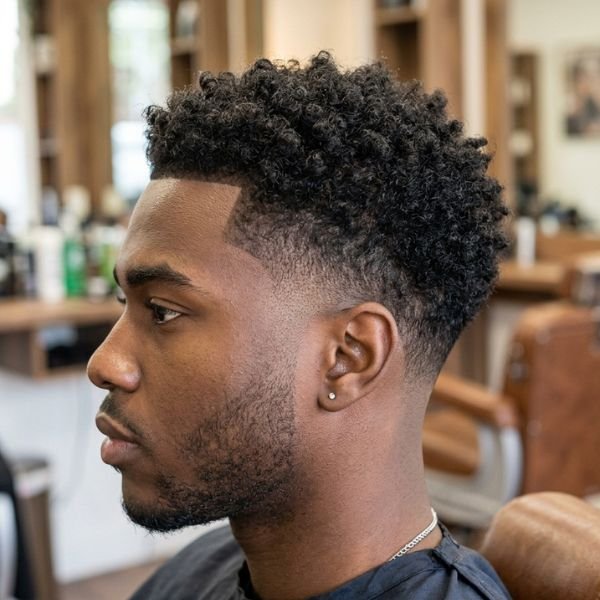
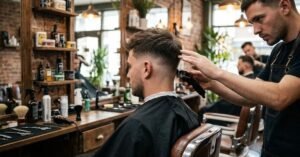
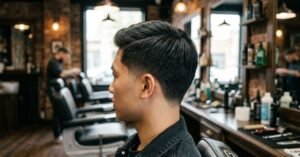
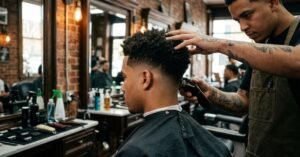
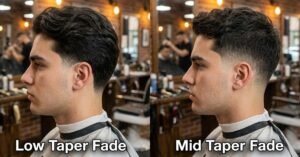
A low taper fade is a haircut where the hair gradually shortens near the bottom of the sides and back, close to the ears and along the neckline, while the top stays longer. The word “low” refers to where the fade begins. Instead of climbing up toward the temples like a mid or high fade, the blend stays close to the natural hairline.
Because the shortest point is usually a clipper guard rather than bare skin, a low taper fade tends to look softer and more natural than a skin fade. From the front, most people won’t even notice you have a fade until you turn to the side. That subtlety is exactly why it has become one of the most requested cuts for men who want a clean look without drawing too much attention to their sides.
What Does “Taper” Mean?
In barbering language, “taper” describes a gradual, smooth reduction in hair length rather than an abrupt change. Think of it as a slow fade of length rather than a hard line.
A taper on its own (without the word “fade”) often means the sides get shorter toward the bottom but stop at a visible length, such as a #1 or #2 guard, instead of blending all the way down. When you combine “low” and “taper” and “fade,” you get a cut where:
- The blend starts low, near the ear and hairline
- The transition between lengths is soft and gradual
- The fade finishes at very short hair rather than skin
Understanding this one word clears up a lot of confusion when you’re trying to describe what you want in the chair.
Read more: Best Fades for Curly Hair – Easy & Complete Guide
Difference Between Low Taper Fade, Low Fade, and Taper Fade
These three terms get mixed up constantly, even though they mean slightly different things. Here’s how to tell them apart.
Low Taper Fade

This is the specific combination of a low starting point and a soft, gradual blend. It rarely goes down to bare skin. Instead, it fades into very short stubble, usually a half guard or a #1. It is the most versatile and low key of the fade family.
Low Fade
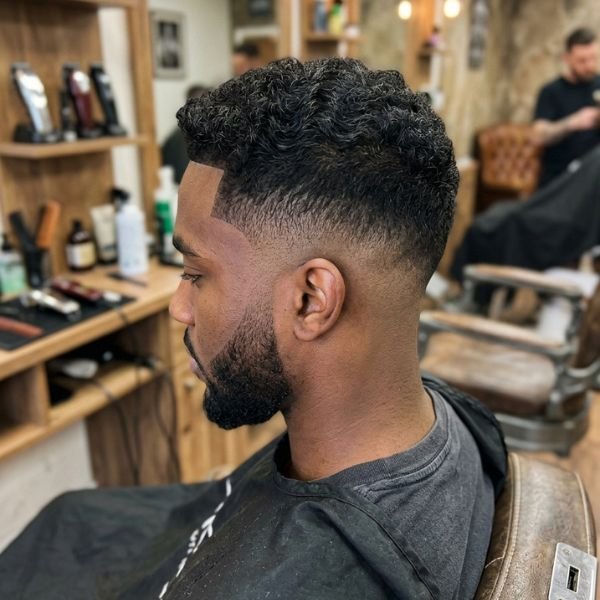
“Low fade” is a broader term. It tells you where the fade sits (low, near the hairline) but not how sharp or soft the transition is. A low fade could be tapered and gentle, or it could go all the way down to skin for more contrast. Every low taper fade is technically a low fade, but not every low fade is a taper.
Taper Fade
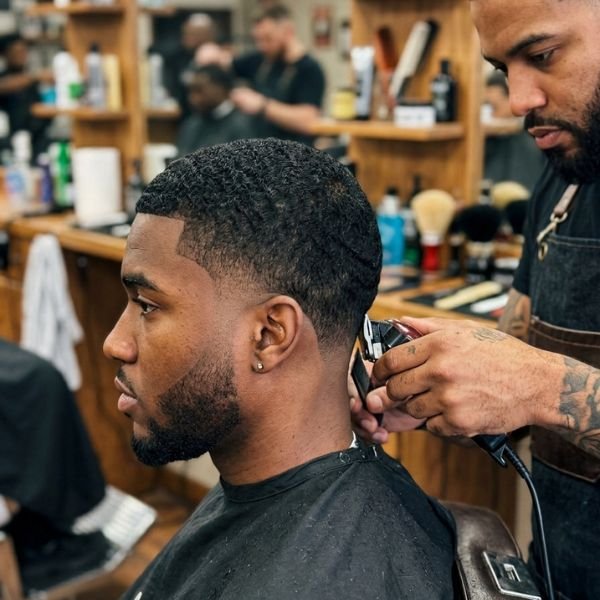
A taper fade is the umbrella term covering any fade with a gradual, tapered blend, regardless of where it starts. It could sit low, in the middle, or up near the temples. “Low taper fade” simply narrows that broader category down to one specific placement.
Knowing this difference matters most when you’re talking to a new barber. Saying “taper fade” alone leaves the height open to interpretation, while “low taper fade” tells them exactly what you want.
Why the Low Taper Fade Is a Smart Choice
There’s a reason this cut keeps showing up as a top recommendation for first time fade clients and busy professionals alike. It checks almost every box.
Clean Appearance:

The soft blend and low placement give a tidy, put together look without appearing overly styled or trendy. It reads as intentional grooming rather than a bold statement.
Professional Look
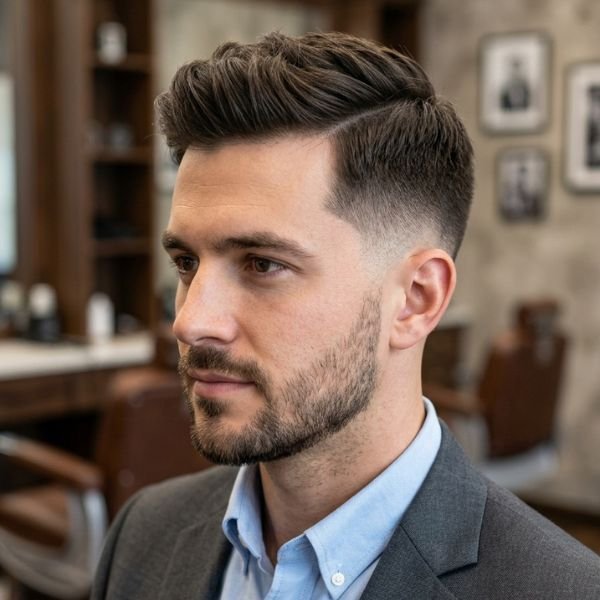
Because the contrast is subtle, a low taper fade works comfortably in offices, schools, and formal settings where a high or skin fade might feel too edgy.
Easy to Maintain

Since the fade sits low and doesn’t go to the skin, regrowth is far less noticeable. You can usually stretch two to three weeks between trims instead of returning every seven to ten days.
Grows Out Nicely

A low taper fade doesn’t fall apart the moment new hair starts coming in. It gradually softens rather than developing an obvious, awkward line, which makes it beginner friendly and travel friendly.
Who Should Get a Low Taper Fade?

This cut suits a wide range of people, which is part of its appeal. It’s a strong fit if you:
- Are getting your first fade and want something forgiving
- Work in a professional or conservative environment
- Have thick, straight, wavy, curly, or coily hair
- Want a low maintenance cut that doesn’t need weekly touch ups
- Prefer subtle contrast over a bold, high fashion look
- Have a round, oval, square, or oblong face shape, since the low blend doesn’t add harsh horizontal lines
It’s less ideal only if you specifically want a bold, high contrast statement cut, in which case a high or skin fade might suit your goals better.
Best Low Taper Fade Styles for Beginners
You don’t need to overthink the top when you’re new to fades. A few reliable combinations include:
- Classic taper with a side part for a polished, traditional look
- Textured crop on top for natural movement without extra styling effort
- Low taper buzz cut for the absolute lowest maintenance option
- Slicked back top paired with the low fade for a smart, formal finish
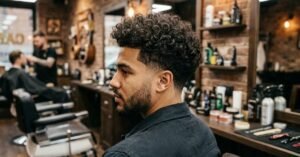
- Curly or coily top with a low taper to keep natural texture front and center while cleaning up the sides
Starting simple gives you room to experiment with the top length later once you know how the fade grows out on your hair type.
How to Ask Your Barber
Clear communication saves you from a cut you didn’t want. When you sit down, try saying something like:
“I’d like a low taper fade. Keep the blend starting just above my ears and along the neckline, nothing going up to my temples. I want it to fade into short hair, not bare skin.”
Bringing a reference photo helps too, since “low,” “medium,” and “soft” can mean different things to different barbers. If you’re unsure, ask them to start conservative. It’s always easier to take more off than to put hair back.
Read more: Low Taper Fade: Complete Beginner Guide
How to Style a Low Taper Fade
Styling depends mostly on your top length and hair type, but a few basics apply across the board:
- Start with clean, towel dried hair rather than soaking wet hair
- Apply a small, coin sized amount of product evenly through the top
- Use your fingers or a comb to build the shape you want, whether that’s textured, slicked, or natural
- Avoid touching the faded sides with product, since it can make short hairs look greasy or clumped
Product Guide:
- Matte clay or paste: best for textured, natural looking finishes with low shine
- Pomade: ideal for slicked back or classic looks with a smooth, polished finish
- Sea salt spray: adds texture and volume for wavy or curly tops
- Light hold gel: works well for curly or coily hair that needs definition without stiffness
- Curl cream: helps define natural curl patterns while keeping the fade looking sharp underneath
How to Maintain a Low Taper Fade Properly
Good maintenance is what keeps this cut looking sharp between barber visits.
- Book touch ups every two to three weeks. Because the fade sits low, you have more flexibility than a skin fade requires.
- Wash with a mild, sulfate free shampoo to avoid drying out the shorter hair on the sides.
- Moisturize regularly, especially if you have curly or coily hair, since shorter strands lose moisture faster.
- Use a soft brush or comb daily to keep the blend looking neat and prevent flattening.
- Trim your own edges carefully with a trimmer only if you’re confident, focusing on sideburns and neckline, and leave the actual fade blending to your barber.
Read more: Kids And Teen Fade Hairstyles: A Simple Guide for Modern Boys
Common Beginner Mistakes
Avoiding these will save you from an uneven or awkward looking fade:
- Going too short on the first try. Ask for a conservative guard length until you know what you like.
- Not communicating the height clearly. Vague requests like “just a fade” often lead to results higher or lower than expected.
- Skipping touch ups too long. Waiting past three to four weeks can blur the blend and make it look patchy rather than tapered.
- Overusing product on the sides. This can make the short hair look oily instead of clean.
- Ignoring hair type. Curly and coily hair often needs a slightly different approach to blending than straight hair, so mention your hair type during the consultation.
Cost of a Low Taper Fade
| Setting | Typical Price Range |
| Chain barbershop or budget salon | $15 to $30 |
| Independent barbershop | $25 to $45 |
| Premium or celebrity barber | $50 to $100 plus |
Final Thoughts
The low taper fade earns its popularity honestly. It’s clean without being flashy, professional without being boring, and forgiving enough for someone getting a fade for the very first time. Because the blend stays close to the hairline and never drops to bare skin, it grows out gracefully and doesn’t demand constant barbershop visits to look presentable.
If you’re new to fades, this is one of the easiest ways to dip your toes in without committing to a bold, high contrast look you might regret. Bring a clear reference photo, communicate the height you want, and build a simple maintenance routine, and you’ll have a cut that works in almost any setting.
Frequently Asked Questions
Is low taper fade good for first haircut?
Yes. Its soft blend and forgiving growth pattern make it one of the most beginner friendly fades available.
Does it work for curly hair?
Yes. Curly and coily hair blends well with a low taper, though it may need slightly more frequent moisturizing between cuts.
Is it allowed in schools?
Generally yes, since its subtle, professional appearance meets most standard school dress codes, though policies vary by institution.
How long does it stay fresh?
Most people can go two to three weeks before the fade starts to lose its sharp blend.
Does it need daily styling?
Not necessarily. Shorter top styles like a buzz cut need little to no daily styling, while longer tops benefit from a small amount of product.


1 thought on “Low Taper Fade: Complete Beginner Guide”