
If you have scrolled through barbershop photos or watched a few grooming reels lately, you have probably noticed one haircut showing up everywhere: the low taper fade. It is clean, it is simple, and it works on almost every hair type, face shape, and lifestyle. That is exactly why it has become the go to request for first time fade clients and seasoned regulars alike.
This guide breaks down everything a beginner needs to know, what the cut actually is, how it differs from similar styles, how to talk to your barber, how to style it, and how to keep it looking sharp between visits. By the end, you will be able to walk into any barbershop and ask for exactly what you want with total confidence.
What Is a Low Taper Fade?
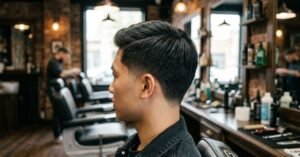
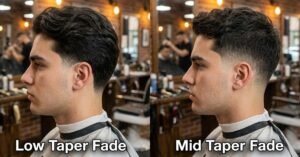
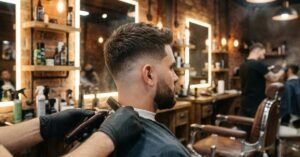
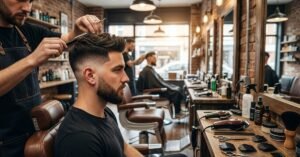
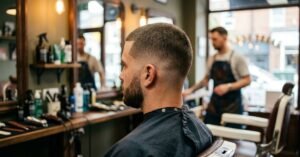
A low taper fade is a haircut where the hair gradually shortens down the sides and back of the head, with the fade portion starting low, typically just above the ears and around the nape of the neck. The top stays longer, giving you room to style it however you like, while the sides blend smoothly into the skin or a very short length near the hairline.
The word “low” simply refers to where the fading action begins. Instead of starting near the temples like a high fade, the transition zone sits close to the natural hairline. This creates a subtle, understated look rather than a bold, high contrast one.
Because the fade line sits so close to the hairline, a low taper fade tends to look neat without drawing too much attention to the haircut itself. It reads as polished rather than flashy, which is a big reason it works so well in professional settings.
What Does “Taper” Mean?
In barbering terms, a taper describes a gradual reduction in hair length rather than a sudden drop. Picture the hair slowly getting shorter as it moves down toward the neckline and ears, with no harsh lines or abrupt jumps in length.
A taper on its own, without any fading, usually keeps a bit more length throughout and creates a soft, even blend. When barbers combine a taper with a fade technique, they get the best of both approaches: the smooth gradual shortening of a taper paired with the crisp, defined blend of a fade. That combination is what gives the low taper fade its signature clean but natural finish.
Difference Between Low Taper Fade, Low Fade, and Taper Fade
These three terms get mixed up constantly, even among people who get haircuts regularly. Here is a simple breakdown so you never have to guess again.
Low Taper Fade
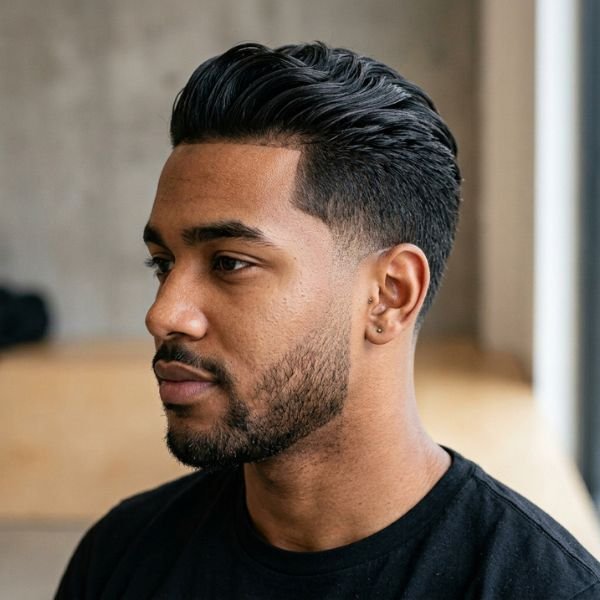
This cut blends a gentle taper with a fade that starts low, near the ears and nape. The result keeps more length on the sides compared to higher fades, and the transition feels soft rather than dramatic. It is the most versatile option of the three and the easiest one for beginners to grow comfortable with.
Low Fade
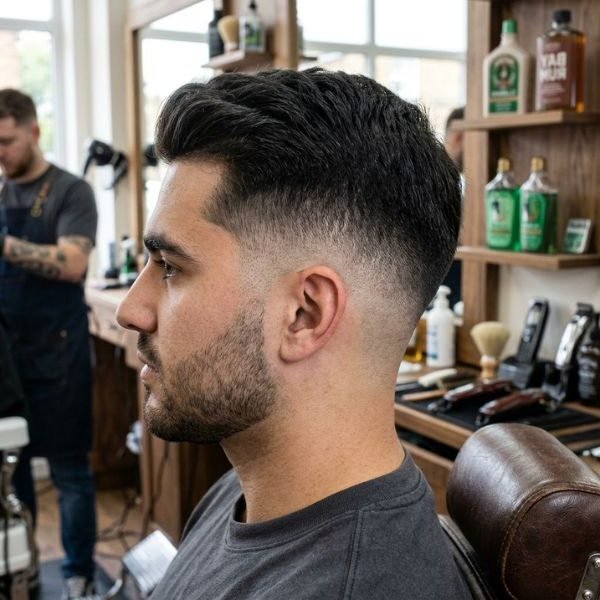
A low fade also begins near the hairline, but the shortening happens faster and reaches skin level, or very close to it, sooner. The contrast between the top and sides is a bit sharper than a low taper fade, though it still sits in a subtle zone compared to mid or high fades.
Read more: Best Fades for Curly Hair – Easy & Complete Guide
Taper Fade
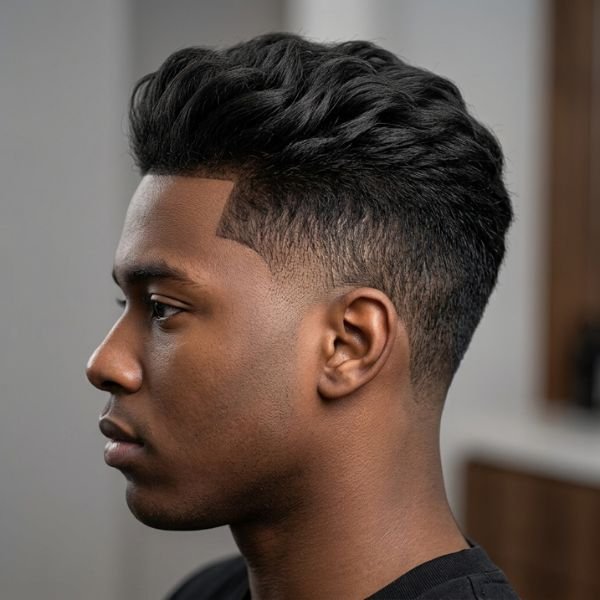
Taper fade is really an umbrella term. It describes any fade that incorporates a tapering technique, regardless of where the fade starts. A taper fade could sit low, mid, or high on the head. When someone says low taper fade, they are simply specifying the placement of that taper fade technique.
Why the Low Taper Fade Is a Smart Choice
Beginners often worry that a fade will look too aggressive or high maintenance. The low taper fade solves both concerns at once because it is subtle enough for daily life and forgiving enough for growth weeks.
Clean Appearance:

The soft blend near the hairline creates a tidy, put together look without needing sharp lines or bold designs. It suits nearly every hair texture, from straight to curly to coily.
Professional Look

Because the contrast stays low key, this cut fits comfortably into office environments, interviews, and formal settings where a high fade might feel too bold.
Easy to Maintain
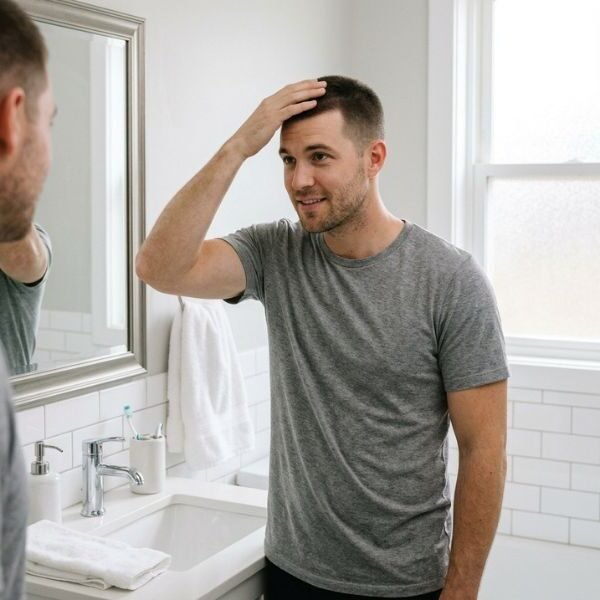
With the fade sitting close to the hairline, regrowth is less noticeable day to day, which means you can stretch out the time between barbershop visits.
Grows Out Nicely
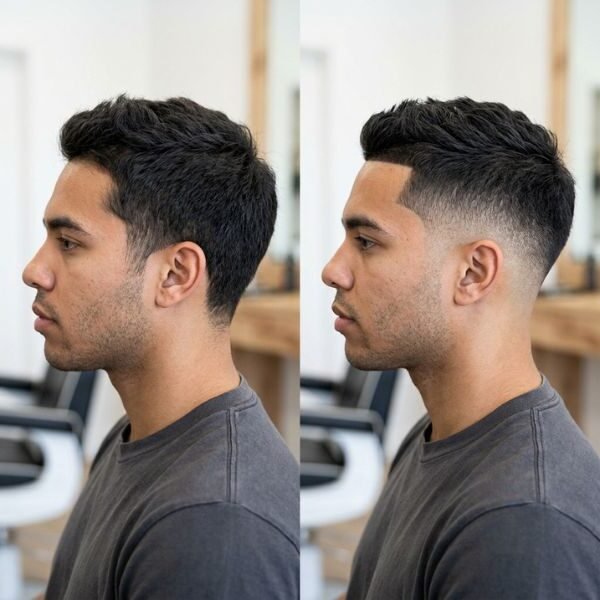
Unlike a skin fade that shows a sharp line as soon as new hair pushes through, a low taper fade grows out into a longer, still wearable style rather than an awkward, patchy phase.
Who Should Get a Low Taper Fade?
Almost anyone can wear a low taper fade, which is part of its universal appeal. It works well for:
- First time fade clients who want a gentle introduction to fades
- Professionals who need a polished look for the office
- Students who want something neat that still meets school dress codes
- Men and boys with straight, wavy, curly, or coily hair
- Anyone with a busy schedule who cannot commit to weekly touch ups
Because the fade starts low, it is also a great option for guys who are self conscious about scalp visibility, since less skin shows compared to higher or skin fades.
Read more: Kids And Teen Fade Hairstyles: A Simple Guide for Modern Boys
Best Low Taper Fade Styles for Beginners

If you are new to fades, pairing your low taper fade with a simple top style keeps things easy to manage. Popular beginner friendly combinations include:
- Textured crop on top with a low taper fade on the sides
- Slicked back style for a polished, business ready finish
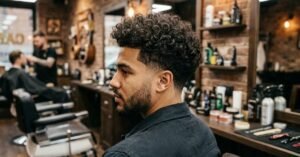
- Natural curls or waves left longer on top with a tight low taper underneath
- A simple side part for a classic, timeless appearance
- A low taper fade with a subtle hard part line for extra definition
Starting with one of these combinations gives you a solid foundation. Once you are comfortable with the fade itself, you can experiment with textured fringes, quiffs, or added design lines.
How to Ask Your Barber
Clear communication is the difference between a great fade and a disappointing one. When you sit in the chair, try saying something like this:
“I would like a low taper fade, with the blend starting just above my ears and around the nape. Keep more length on top, and blend it smoothly into a shorter length by the hairline, without going too high up the sides.”
You can also bring reference photos on your phone. Barbers see hundreds of variations of the same cut, so a visual reference removes any guesswork. It helps to mention:
- How short you want the top
- Whether you want a hard part or natural part
- Whether you want the fade to reach skin or stop at a short guard length
- Any beard work you would like paired with the cut
How to Style a Low Taper Fade
Styling depends on the length you keep on top, but the general process stays consistent.
- Start with clean, towel dried hair, not dripping wet.
- Apply a small amount of product evenly through the top section.
- Use a comb or your fingers to shape the top into your preferred direction.
- Let the style set for a minute before touching it again.
- Use a light hold spray if you need the shape to last through a long day.
Product Guide:
Different finishes call for different products, so choosing the right one matters more than most people realize.
- Matte clay: Best for textured, natural looking finishes with low shine
- Pomade: Ideal for slicked back or classic looks with a glossy finish
- Light gel: Good for defining curls or waves without stiffness
- Sea salt spray: Adds texture and volume for a relaxed, tousled look
- Light hold cream: Works well for everyday styling on shorter tops
How to Maintain a Low Taper Fade Properly
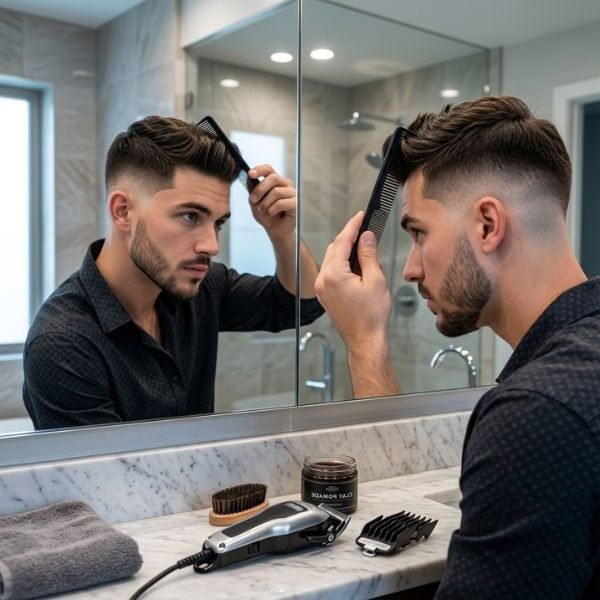
A sharp haircut only stays sharp with the right routine. Here is what actually keeps a low taper fade looking fresh.
- Book touch ups every two to three weeks. Because the fade sits low, you can usually stretch this out longer than higher fades.
- Wash with a gentle, sulfate free shampoo. Harsh shampoos strip natural oils and can make your scalp overproduce oil, which flattens the fade faster.
- Avoid heavy pomades near the fade line. Thick, oil based products can build up and make the blend look greasy rather than crisp.
- Keep your scalp healthy. Dry skin or irritation shows up more obviously on shorter sides, so a light moisturizer can help.
- Sleep with minimal friction. A silk or satin pillowcase reduces frizz and helps the top section keep its shape longer.
Common Beginner Mistakes
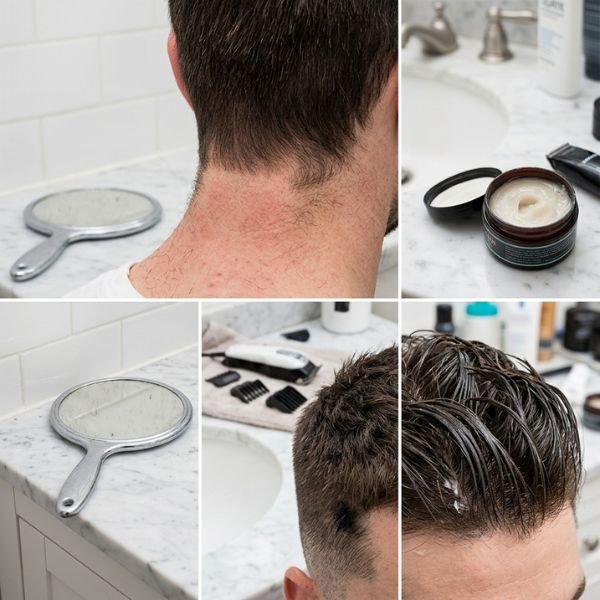
Even a simple cut like this can go wrong if a few basics get overlooked. Watch out for these common errors.
- Waiting too long between appointments, which lets the fade grow out unevenly
- Using too much product, which weighs hair down and looks unnatural
- Not communicating the fade height clearly, leading to a result that is higher or lower than expected
- Skipping scalp care, which speeds up flaking and irritation
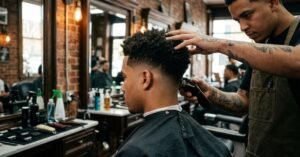
- Choosing a barber unfamiliar with fade work, since blending technique matters more than clipper guards alone
Cost of a Low Taper Fade

Pricing varies by location, shop type, and barber experience, but here is a realistic range based on current 2026 barbershop pricing.
- Basic haircut without fading: roughly 20 to 35 dollars
- Haircut with a taper or low fade: roughly 30 to 50 dollars, since fades add extra blending time
- Premium or appointment based shops: often 40 to 60 dollars or more, especially in major cities
Most barbers charge a small premium for fade work compared to a standard clipper cut, usually an extra 5 to 15 dollars, because of the additional time and precision blending requires. If you plan to maintain the cut every two to three weeks, it helps to budget accordingly, since regular upkeep is what keeps a low taper fade looking sharp long term.
Read more: High Taper Fade
Final Thoughts
The low taper fade earns its popularity honestly. It offers a clean, professional appearance without demanding constant upkeep, it adapts to nearly any hair type, and it grows out gracefully instead of turning into an awkward in between stage. For anyone stepping into the world of fades for the first time, it is one of the safest and most rewarding choices you can make.
Bring a clear reference, communicate exactly what you want, and stick to a simple maintenance routine, and this cut will reward you with weeks of sharp, low effort style.
Frequently Asked Questions
Is low taper fade good for first haircut?
Yes. It is one of the most beginner friendly fades because the subtle blend is forgiving and easy for barbers of any skill level to execute well.
Does it work for curly hair?
Absolutely. A low taper fade works with straight, wavy, curly, and coily hair, since the fade happens on the sides while curls stay defined on top.
Is it allowed in schools?
In most schools, yes, since the low, subtle blend usually meets dress code guidelines, though it is worth checking your specific school’s grooming policy.
How long does it stay fresh?
A low taper fade typically stays sharp for two to three weeks before it needs a touch up, longer than higher fades.
Does it need daily styling?
Not necessarily. Many men keep the top short enough for a quick, low effort style each morning, though longer tops may need a bit more product and time.

2 thoughts on “Low Taper Fade: Complete Beginner Guide”